The cryptocurrency industry is filled with opportunities, but it has also become a breeding ground for sophisticated scams. As retail interest in crypto presales and early-stage crypto projects has grown, so has a network of crypto scam websites, ranking platforms, and promotional media designed to blur the line between legitimate marketing and outright deception.
This guide examines how these networks operate, the tactics they use to promote questionable crypto projects, and the warning signs investors should recognize before investing.
A Web of Shady Crypto Influence Network
Many crypto scam websites are not independent publications. Instead, they operate as part of larger promotional networks that repeatedly feature the same crypto projects across multiple websites. In many cases, the operators behind these networks have financial incentives to promote those projects, whether through affiliate commissions, paid placements, token allocations, or other commercial relationships that are not always clearly disclosed.
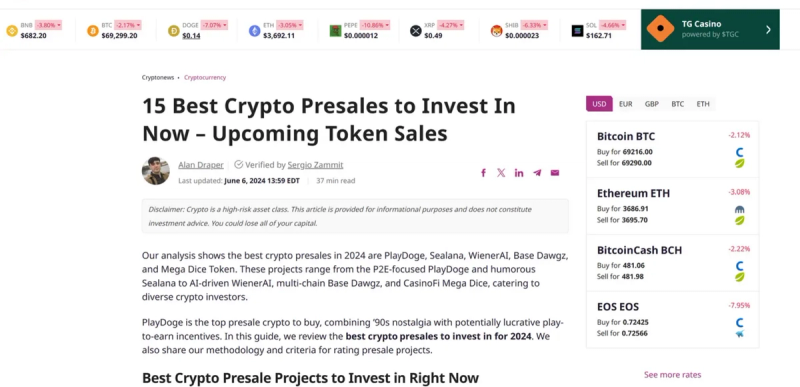
By publishing favorable reviews, "best crypto" rankings, and sponsored articles across interconnected websites, these networks create the appearance of widespread independent coverage. The goal is simple: create a false sense of trust, dominate search results, and encourage investors to overlook warning signs.
According to multiple investigations, projects including BigEyes, IMPT, and Dash2Trade received extensive promotion through these marketing networks. While these projects were presented as promising investment opportunities, critics have questioned the transparency of their marketing campaigns and the financial relationships behind their promotion.
Crypto Scam Websites & Unethical SEO Tactics
An investigative report by Timothy Mamros Genach, covered by TheHolyCoins, examined how Clickout Media and its parent company, Finixio, built extensive networks of crypto-focused websites that dominate search results for popular cryptocurrency keywords. The investigation found that these interconnected websites use cross-promotion, affiliate content, sponsored articles, and self-referential linking to boost their visibility in Google Search while directing readers to the same crypto projects and services.
According to the investigation, these tactics blur the distinction between journalism and advertising even when multiple articles originate from websites within the same network. For investors, distinguishing between genuinely independent reporting and coordinated promotional content becomes significantly more difficult, particularly when the same projects repeatedly appear in reviews, rankings, and "best crypto" lists across multiple publications.
The Subtle Art of Deception: How Scam Websites Deceive Crypto Investors
The marketing modus operandi of these crypto scam websites is built around one primary objective: making speculative crypto projects appear more credible than they really are. During crypto presales, these platforms publish favorable reviews, buying guides, sponsored articles, and "best crypto" rankings that emphasize potential returns while downplaying or ignoring obvious red flags. The strategy is designed to fuel FOMO (Fear of Missing Out) and encourage investors to buy before conducting proper due diligence.
Operating under the professional appearance of crypto news websites, blogs, exchanges, and other established brands, these networks repeatedly feature the same projects across multiple publications. They publish glowing reviews, include them in curated crypto project lists, and reference their own articles to create the false impression of broad independent coverage. For many investors, this manufactured credibility can make promotional content appear indistinguishable from legitimate journalism.
Behind this ecosystem is a lucrative business model. Crypto projects pay for exposure through sponsored placements, affiliate partnerships, advertising campaigns, or other commercial arrangements. In return, crypto scam websites receive a steady revenue stream while helping questionable projects reach wider audiences, often without meaningful due diligence or, in some documented cases, despite serious warning signs already publicly known.
CoinSniper: A Breeding Ground Website for Scam Crypto Projects
CoinSniper is a well-known crypto ranking website that lists and promotes early-stage crypto presales. While legitimate projects have appeared on the platform, it has also become a breeding ground for questionable and fraudulent crypto projects seeking exposure to retail investors. Projects can purchase votes to artificially boost their rankings, creating the false impression of popularity and community trust. As a result, investors may mistake manipulated rankings for genuine market interest, despite serious concerns about a project's legitimacy.
Its homepage is dominated by sponsored listings, banner advertisements, and featured crypto presales, making it as much a promotional marketplace as a project discovery platform. Over the years, numerous projects promoted on CoinSniper have later raised serious concerns or collapsed after launch, including several that TheHolyCoins previously identified as carrying significant red flags.
The biggest problem is perception. Many investors assume that a project listed or ranked highly on CoinSniper has been thoroughly vetted. In reality, visibility on the platform should not be treated as evidence of legitimacy. Projects that meet the platform's listing requirements and pay for additional promotional exposure can significantly increase their visibility, regardless of the project’s underlying quality. For that reason, investors should view CoinSniper as an advertising platform, not as proof that a crypto presale is trustworthy.
PinkSale & Gempad: Vetting Vulnerabilities
PinkSale and Gempad are widely used crypto launchpads that allow early-stage crypto presale projects to raise funds from retail investors. While both platforms have hosted legitimate projects, they have also exposed investors to significant risks due to limited vetting and verification requirements.
Fraudulent crypto projects have repeatedly used these launchpads to conduct heavily promoted crypto presales before executing rug pulls or abandoning development altogether. Because anyone can launch a token with relatively few barriers to entry, investors are often left to distinguish legitimate startups from outright crypto scams with little more than a whitepaper, a marketing campaign, and a roadmap.
The biggest danger is that many investors mistake a successful launch on PinkSale or Gempad for a sign of legitimacy. In reality, listing on a crypto launchpad is not proof that a project has been independently vetted or that its claims have been verified. Without thorough due diligence, investors risk funding projects that disappear shortly after raising capital.
The following examples illustrate how fraudulent crypto projects used these crypto launchpads to promote misleading claims, attract investors, and ultimately leave token holders with worthless assets.

How to Protect Yourself from Crypto Scam Websites
Until regulatory bodies introduce stronger investor protections and tighter oversight of the cryptocurrency industry, the responsibility still falls on crypto investors to stay informed, educate themselves, and conduct thorough due diligence before investing in early-stage crypto projects. Professional-looking crypto scam websites, sponsored reviews, and paid rankings should never be mistaken for proof that a crypto project is legitimate.
Here are some essential steps to reduce your risk:
- Verify project legitimacy – Look for a working testnet, GitHub activity, an MVP, or other evidence that the project is actively being developed.
- Be cautious of aggressive marketing – Scam crypto projects often rely on hype, influencer promotions, and sponsored articles instead of delivering a working product.
- Check third-party security audits – Legitimate crypto projects typically undergo independent security audits, but always review the audit itself rather than relying solely on an audit badge.
- Avoid blindly trusting rankings – Many crypto ranking websites accept paid promotions, sponsored placements, or advertising that should not be confused with independent recommendations.
- Research multiple sources – Compare information across independent publications, review official documentation, and verify claims before investing in any cryptocurrency project.
- Recognize coordinated promotion – If the same crypto presale appears across dozens of nearly identical reviews, "Best Crypto" lists, and affiliate websites, treat it as a warning sign rather than proof of legitimacy.
Final Words
Crypto scam websites continue to evolve, but their objective remains the same: manufacture credibility, attract investors, and generate revenue for the projects they promote. Professional branding, sponsored reviews, paid rankings, and widespread online coverage should never replace independent research and careful due diligence.
At TheHolyCoins, our goal is to investigate crypto presales, expose deceptive marketing practices, and help crypto investors identify potential red flags before investing in early-stage crypto projects. While no guide can eliminate investment risk, understanding how crypto scam websites operate can help investors make better-informed decisions. Always conduct your own research before investing in any cryptocurrency project.