What Is NFT?
An NFT (Non-Fungible Token) is a cryptographic token on a blockchain that verifies ownership and authenticity of a specific digital or physical asset. Unlike cryptocurrencies such as Bitcoin or Ethereum, where every unit has the same value and can be exchanged interchangeably, each NFT represents a distinct token with its own identifier and ownership record. NFTs can represent digital items such as artwork, music, videos, collectibles, or in-game assets. In some cases, NFTs are also used to represent rights or ownership linked to physical assets, such as artwork, real estate, or luxury goods.
How Do NFTs Work?
NFTs work by using blockchain technology and smart contracts to record ownership of a specific asset. When an NFT is created, a process called minting writes a new token to a blockchain. The token follows standards such as ERC-721 and ERC-1155, which define how NFTs function and how they can be transferred between wallets.
Each NFT contains a unique token ID and metadata stored in a smart contract. The metadata describes the asset linked to the NFT, such as a digital artwork, collectible, or in-game item. In most cases, the asset itself is stored off-chain on systems such as IPFS or other storage networks, while the blockchain records the ownership and transaction history.
Ownership of an NFT is tied to a blockchain wallet address, such as a wallet created with MetaMask or Trust Wallet. When someone buys or transfers an NFT, the blockchain updates the token’s ownership record.
NFTs can be traded on NFT marketplaces such as OpenSea, where buyers and sellers exchange tokens using cryptocurrency. Because the ownership record is stored on the blockchain, anyone can verify the NFT’s authenticity and transaction history.
The History of NFTs
The concept behind NFTs emerged alongside early blockchain experiments. One of the first attempts to create unique digital assets on a blockchain was Colored Coins on Bitcoin in 2012–2013, which allowed specific tokens to represent distinct assets.
The first widely recognized NFT was Quantum, created in 2014 by Kevin McCoy and Anil Dash. It demonstrated how blockchain technology could be used to verify ownership of digital content.
NFTs gained broader attention in 2017 on the Ethereum blockchain, when the ERC-721 token standard made it easier to create non-fungible tokens. Projects such as CryptoPunks and CryptoKitties demonstrated how NFTs could serve as digital collectibles and unique blockchain assets.
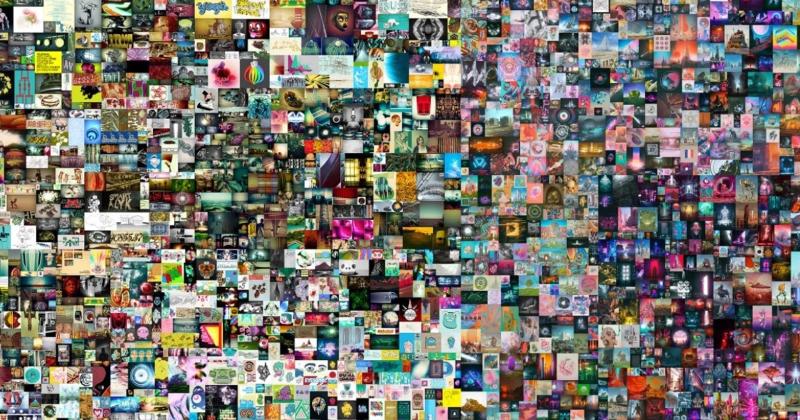
The NFT market expanded rapidly in 2020 and 2021, driven by platforms such as OpenSea, Rarible, and Foundation, which enabled users to buy, sell, and trade NFTs. The sale of Beeple’s digital artwork “Everydays: The First 5000 Days” for $69.3 million in 2021 marked a major milestone for NFT art and brought global attention to the technology.
Since then, NFTs have continued to evolve, expanding into areas such as gaming, digital collectibles, virtual worlds, and tokenized real-world assets.
NFT Marketplaces
What Is an NFT Marketplace?
An NFT marketplace is a platform where users can buy, sell, mint, and trade non-fungible tokens. These platforms connect buyers and sellers and allow users to interact with blockchain networks such as Ethereum, Solana, or Polygon through crypto wallets like MetaMask.
NFT marketplaces operate using smart contracts, which automatically transfer ownership of an NFT when a transaction is completed. Users usually pay with cryptocurrency, and the marketplace records the transaction on the blockchain. Some marketplaces also allow creators to mint new NFTs and set royalties, enabling them to earn a percentage of future resale transactions.
Popular NFT Marketplaces
Several NFT marketplaces dominate the ecosystem and support trading of digital collectibles, NFT art, and blockchain assets.
- OpenSea is the largest NFT marketplace and supports multiple blockchains, including Ethereum and Polygon. It offers a wide range of NFTs, from digital art and collectibles to virtual land and gaming assets.
- Blur is a marketplace focused on professional NFT traders and offers advanced tools, including analytics, bidding systems, and portfolio tracking.
- Magic Eden is a major NFT marketplace, originally built on the Solana blockchain, and now supporting multiple chains, including Ethereum and Bitcoin.
- Foundation and SuperRare focus on curated digital art NFTs and are widely used by artists and collectors in the crypto art community.
How to Buy NFTs
Buying an NFT typically involves using a crypto wallet and an NFT marketplace that supports blockchain networks such as Ethereum or Solana. The basic process usually includes the following steps:
- Create a Crypto Wallet: To buy NFTs, you first need a crypto wallet that supports blockchain assets. Popular wallets include MetaMask, Trust Wallet, and Coinbase Wallet. These wallets store your cryptocurrency and allow you to interact with NFT marketplaces.
- Buy Cryptocurrency: Most NFT marketplaces require payment in cryptocurrency. For example, many NFTs on Ethereum marketplaces are purchased using ETH. You can buy cryptocurrency on a crypto exchange such as Coinbase, Kraken, or Binance and transfer it to your wallet.
- Connect Your Wallet to an NFT Marketplace: Next, connect your wallet to an NFT marketplace such as OpenSea, Blur, or Magic Eden. These platforms allow users to browse NFT collections, view asset details, and place bids or buy tokens directly.
- Choose an NFT: After connecting your wallet, you can explore NFT collections, including digital art, collectibles, gaming assets, or virtual land. Each NFT listing usually includes details such as the creator, price, ownership history, and blockchain network.
- Complete the Purchase: Confirm the transaction in your wallet to complete the purchase. The blockchain will record the transfer, and the NFT will appear in your wallet once the transaction is confirmed.
Risks and Criticism of NFTs
Although NFTs introduced new possibilities for digital ownership, the NFT market has also faced criticism and several risks that buyers and creators should understand.
NFT Scams and Rug Pulls
The rapid growth of the NFT market has attracted fraudulent projects and scams. Some creators launch NFT collections, raise funds from buyers, and then abandon the project without delivering promised features or benefits. These incidents, often called NFT rug pulls, have resulted in significant financial losses for collectors.
Copyright Theft and Unauthorized Minting
Another major issue in the NFT ecosystem is copyright infringement. In some cases, individuals mint NFTs using artwork, photographs, or digital content that they do not own. Because blockchain platforms allow anyone to mint tokens, unauthorized copies of digital art can appear on NFT marketplaces without the original creator’s consent.
Fake NFT Collections
Scammers sometimes create fake NFT collections that imitate legitimate projects. These copies may use similar artwork, branding, or collection names to mislead buyers into purchasing counterfeit tokens. Verifying the official project page and smart contract address is essential before buying an NFT.
Wash Trading and Market Manipulation
The NFT market has also been criticized for wash trading, a practice in which traders buy and sell NFTs within their own wallets to artificially inflate prices or trading volume. This can create misleading signals about demand and value within NFT marketplaces.
Market Volatility and Illiquidity
Many NFTs are highly speculative digital assets with uncertain long-term value. Unlike traditional assets, NFTs may be difficult to sell if demand for a specific collection is limited. This market illiquidity means buyers may not be able to quickly resell an NFT or recover their initial investment.
NFT Examples
NFTs can represent many types of digital and tokenized assets recorded on a blockchain. Some of the most common examples include:
NFT Art
Digital artworks are one of the most well-known uses of NFTs. Artists can mint their creations as NFT art tokens and sell them on NFT marketplaces such as OpenSea or Foundation, allowing collectors to buy and trade verified digital assets.
Digital Collectibles
NFTs are widely used for digital collectibles, including profile picture collections and limited-edition items. Early examples include CryptoPunks, a collection of 10,000 unique characters on the Ethereum blockchain that became some of the most recognizable NFT collectibles.
Gaming Assets
In blockchain games, NFTs can represent in-game items, characters, skins, or weapons. Players can buy, sell, and trade these gaming NFTs on marketplaces, giving them ownership of digital assets tied to the game ecosystem.
Virtual Land and Metaverse Assets
NFTs are also used to represent virtual real estate in metaverse platforms such as Decentraland or The Sandbox. These tokens allow users to buy and develop parcels of digital land within virtual worlds.
Tokenized Real-World Assets
Some NFTs represent real-world assets, such as event tickets, luxury goods, or artwork. In these cases, the NFT acts as a blockchain record linked to ownership or rights associated with a physical item.
Frequently Asked Questions (FAQs)
The term non-fungible means that each token is unique and cannot be replaced by another identical unit. Unlike cryptocurrencies such as Bitcoin or Ethereum, where every coin has the same value, each NFT represents a specific asset with its own identifier and ownership record.
NFTs can generate income in several ways. Creators can sell NFTs on an NFT marketplace, allowing buyers to purchase digital assets such as art, collectibles, or gaming items. Many NFTs also include royalties in the smart contract, enabling creators to earn a percentage of future resale transactions. For buyers and collectors, profits may come from reselling NFTs at higher prices as demand for a collection increases.
NFTs are recorded on a blockchain, which provides transparency and verifiable ownership. However, buying NFTs still carries risks. The NFT market has seen scams, fake collections, copyright theft, and rug pulls, in which creators abandon a project after selling tokens. Prices can also be highly volatile, and some NFTs may be difficult to resell. Buyers should carefully verify the project, smart contract address, and marketplace listing before purchasing an NFT.
Yes, NFTs can represent real-world assets (RWAs) such as artwork, collectibles, event tickets, or real estate. In these cases, the NFT serves as a digital record of ownership or rights associated with a physical item. However, the legal ownership of the asset usually depends on off-chain agreements or legal contracts, since the blockchain itself only records the token.
Most NFTs are created on Ethereum, which introduced the widely used ERC-721 and ERC-1155 token standards for non-fungible tokens. However, NFTs also exist on several other blockchains, including Solana, Polygon, Avalanche, and Bitcoin (through Ordinals). Different blockchains may offer lower transaction fees, faster processing, or specialized NFT ecosystems.