Key Takeaways
- • In a January 2026 BlockDAG Zoom call with community representatives, participants referenced roughly $190M raised in the presale, while the founder did not dispute the figure despite public claims of over $440M.
- • Founder Gurhan Kiziloz said BlockDAG spent about $100M on marketing, with daily campaign costs reaching $250K.
- • The call also showed centralized treasury control, no CFO yet, and plans for a post-launch audit.
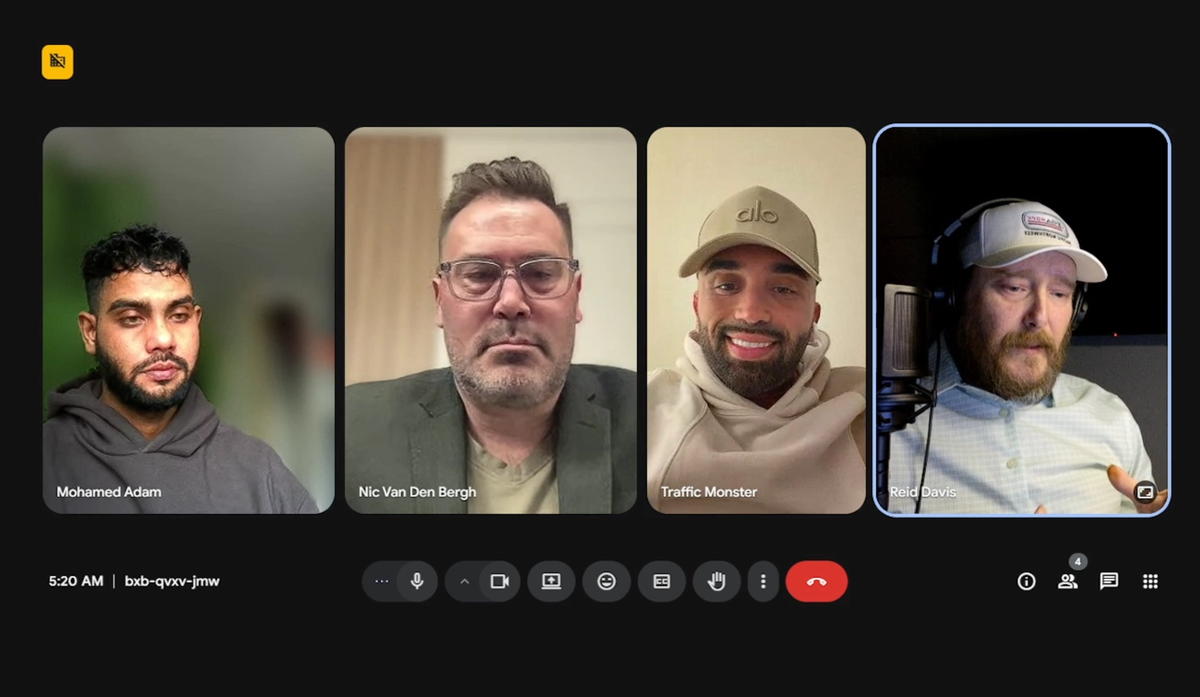
In January 2026, a Zoom meeting took place between BlockDAG CEO Nic van den Bergh, founder Gurhan Kiziloz, and two active investors, Mohamed Adam and Reid Davis. Adam and Davis are known in the community as moderators of the r/BlockDAGInvestors subreddit and informal representatives of many presale participants.
After the meeting, the two investors published a written summary of the discussion, and they have now released the full video recording.
The background to the meeting was BlockDAG management’s efforts to recruit the two investors into more formal roles, with the hope that their involvement would help restore trust with the investor community.
The call focused on presale funds, treasury control, marketing costs, miner deliveries, exchange plans, audits, and governance structure.
Investors Said Presale Raised Around $190M While BlockDAG Team Did Not Deny the Figure
During the call, Davis said BlockDAG communications were promoting a figure of $440 million in presale funding. He then said the real number appeared closer to $190 million.
“We’re selling $440 million raised during the presale, and then the numbers like… I don’t know, $190 or something like that is what we actually raised.”
The comment framed $190 million as the working figure during the discussion.
Adam later repeated the same number, treating it as the working presale total, and asked how much money remained.
“From the $190 million reference for raised amount, how much is actually left in the treasury?”
Neither van den Bergh nor Kiziloz directly confirmed or rejected the figure, and instead shifted the discussion to wallet tracking and future audits.
Kiziloz replied to Davis that funds moved through several wallets and that a full audit could be arranged after launch.
“All the funds that are raised have gone through four or five wallets… we’ll get an independent third party to do a full audit.”
In response to Adam’s question about the treasury, Kiziloz said that around $32 million would remain. Earlier in the call, the team also confirmed that $32 million was budgeted for liquidity, but it was not clarified whether the “$32 million remaining” referred to the same allocation or to funds remaining in addition to liquidity. These figures imply that only a limited portion of presale proceeds is expected to remain at that stage.
“It’s going to be around 32 [million], yeah.”
The discrepancy in funds raised is significant because BlockDAG’s public communications at the time referenced a presale amount exceeding $440 million, creating a gap between the figures discussed during the call and those publicly promoted.

Questions about presale figures and internal financial handling were also raised by a former BlockDAG employee in a separate livestream discussion with Davis.
This fundraising gap adds to earlier reporting. DLNews reported last month that van den Bergh told them in a phone call that the project had raised only “more than $200 million,” which is also less than half the amount published in marketing materials at the time.
Taken together, the DLNews reporting and the meeting recording increase pressure on the company’s transparency claims, which have already faced scrutiny from parts of the investor community.
Gurhan Kiziloz Said BlockDAG Spent Around $100M on Marketing With Daily Spending Up to $250K
Marketing spending was also an important topic on the call.
Kiziloz said the project had spent around $100 million on marketing. He explained that there was no fixed marketing budget and that daily spending ranged between $100,000 and $250,000, with Meta and Google campaigns being the most expensive.
“There was no marketing budget, but it was going up to like $200,000 a day, $250,000 a day, between $100 to $250K a day roughly.”
Whether the total funds raised were closer to $200 million or $400 million, this scale of marketing spending raises questions about efficiency and corporate spending. In many crypto fundraisings, marketing is often expected to remain near a 1:10 ratio compared to funds raised. By that measure, BlockDAG’s spending appears unusually high.
Adding to this is a potential conflict of interest involving the founder, Kiziloz, who controls both the crypto project and the marketing agency handling the campaign spending.
This structure can incentivize the project to increase marketing expenses by shifting funds between entities under the same control. In practice, this means money can move from the project into a marketing pocket that is even less transparent, where fees, commissions, or discounts may be harder for investors to track.
Meeting Also Revealed Centralized Treasury Control, No CFO Yet, and Delayed Transparency Measures
Several additional details came out during the call.
Kiziloz said the project’s treasury was under his company’s control at the time. He said the team planned to create a public liquidity wallet and arrange a third-party audit after launch, but not before.
The team also confirmed they did not yet have a CFO in place. They said an outsourced financial service could be hired if needed.
Adam and Davis pushed for multisig wallets, earlier audits, and proof of funds before launch. Kiziloz said these steps would take place later, after payments for exchanges, miners, and other expenses were made.
When Adam and Davis pushed for a multisig wallet and pre-launch audit, Kiziloz replied that BlockDAG was not community-driven and described it as a privately held company that had run an ICO.
“This is not a community-driven project at the moment… this is a privately-held company which has done an ICO.”
Product Readiness, Miner Deliveries, and Partnerships Remain Open Questions
Beyond funding and marketing, the call highlighted disagreement over the product’s state.
Kiziloz said the mainnet had been ready for months and could launch soon. Adam said nodes were unstable and miners had not yet been delivered to buyers, arguing that the launch should wait until both issues were resolved.
The discussion also touched on exchange negotiations, marketing campaigns tied to miner deliveries, and plans for partnerships that could be announced after launch.