In our ongoing analysis of crypto presales, we’ve recently observed a shift in how some crypto projects present themselves. Many whitepapers now include detailed company registration data, named representatives, and new legal disclaimers, changes driven mainly by the Markets in Crypto-Assets Regulation (MiCA or MiCAR), the European Union’s landmark crypto framework. MiCA introduces strict rules that affect how crypto presales, IDOs, and ICOs must be conducted across the EU, aiming to increase transparency and protect investors from misleading or fraudulent offerings.
MiCA is the first comprehensive attempt by a regulatory authority to safeguard and protect crypto investors participating in early-stage token sales. It establishes a clear set of rules for cryptocurrency projects conducting token offerings, and failure to implement these rules can result in severe consequences.
MiCA encompasses a wide range of topics, including stablecoins, custodial services, and crypto-asset service providers (CASPs). In this article, we focus on the requirements of MiCA as they apply to crypto presales, Initial Coin Offerings (ICOs), Initial DEX Offerings (IDOs), and other token sales, which have traditionally operated in a gray area with limited oversight.
As the MiCA regulation, including the parts concerning token offerings, is extensive and highly detailed, we outline in this article the main points that we believe are of utmost importance to crypto investors. Investors considering an investment in early-stage crypto projects are encouraged to read MiCA themselves.
What Is MiCA? EU Crypto Regulations Impacting ICOs, IDOs & Token Sales
MiCA is a European Union regulation designed to establish a legal framework for crypto-assets that are not currently covered by existing financial frameworks. Its goal is to increase transparency, enhance investor protections, and prevent market abuse in the crypto sector, ensuring that cryptocurrency projects can no longer hide behind vague legal structures or undisclosed information. This initiative complements broader EU financial oversight efforts, including those by the European Banking Authority (EBA), which works to ensure stability and transparency in traditional markets.
The crypto regulation introduces strict rules for individuals or companies issuing crypto-assets, primarily requiring them to publish a legally compliant whitepaper, adhere to clear marketing standards, and ensure that investors have certain rights, including withdrawal rights under specific conditions. These new rules directly impact crypto presales, ICOs, and IDOs, making it more difficult for fraudulent projects to raise funds without oversight.
MiCA Whitepaper Requirements: What Crypto Projects Must Include
Under MiCA, every crypto-asset issuer or offeror must publish a whitepaper that meets specific regulatory standards before offering tokens to the public. The whitepaper must include:
Offeror Information (Person or Company Creating the Crypto-Asset):
- Name, Legal Form, and Registered Address – Full details of the offeror’s headquarters.
- Registration Details – Date of registration and applicable registration number.
- Management Information – Identities, business addresses, and roles of the management body members.
- Parent Company (If Applicable) – Details of the parent company, including its role and ownership structure.
- Business Activities – Description of the offeror’s business or professional activities, including those of its parent company (if applicable).
- Financial Condition – Overview of the offeror’s financial standing over the past three years.
Issuer Information (If Different From the Offeror):
- Name, Legal Form, and Registered Address – Full details of the issuer’s headquarters.
- Registration Details – Date of registration and applicable registration number.
- Parent Company (If Applicable) – Details of the parent company, including its role and ownership structure.
- Management Information – Identities, business addresses, and roles of the management body members.
- Business Activities – Description of the issuer’s business or professional activities, including those of its parent company (if applicable).
Whitepaper Author Information:
- Identity of the person or entity that prepared the whitepaper (if different from the offeror or issuer)
Required Statements:
- Regulatory Disclaimer: A disclaimer on the first page stating:
“This crypto-asset whitepaper has not been approved by any competent authority in any Member State of the European Union. The offeror of the crypto-asset is solely responsible for its content.” - Management Assurance: A statement from the offeror’s management body affirming that the whitepaper is fair, clear, and not misleading, and contains no omissions that could affect investor decisions.
- Risk Disclosure: A warning that the crypto-asset may lose value partially or entirely, may not always be transferable, and may lack liquidity, among other risks.
Crypto-Asset Project Details:
- Project and Crypto-Asset Information – Project name, crypto-asset name (if different), ticker, and description.
- Involved Parties – Business addresses and identities of all relevant parties, including advisors, development teams, and service providers.
- Utility Token Features – Key characteristics and functionalities of any utility tokens.
- Project Milestones – Overview of past and future milestones, including allocated resources.
- Use of Funds – Planned allocation of funds raised from the offering.
Crypto-Asset Information:
- Type and Characteristics – Classification of the crypto-asset and its defining attributes.
- Functionality and Activation – Details on its intended use, features, and activation timeline.
Crypto-Asset Public Offering:
- Purpose of the Offering – Explanation of fundraising objectives, target amounts, pricing structure, and associated fees.
- Investor Withdrawal Rights – Information on investors' rights to withdraw their investment within 14 days.
- Refund Policy – A notice that investors will be reimbursed if:
- The minimum fundraising goal is not met.
- They withdraw within the allowed period.
- The offering is canceled.
- Includes a clear description of the refund mechanism.
- Offer Phases – A breakdown of the different phases of the offering.
Summary Section:
- Whitepaper Overview – A brief, easy-to-understand summary of the whitepaper, written in non-technical language.
- Investment Warning – A disclaimer stating that the summary is only an introduction and should not be the sole basis for investment decisions.
Technology and Security Information:
- Technology Stack – Details on the technology used, including blockchain protocols and consensus mechanisms.
- Security Incentives – Incentive mechanisms for securing transactions.
- Blockchain Infrastructure – Blockchain infrastructure used for issuing, transferring, and storing assets.
- Audits and Assessments – Any security or technical audits conducted on the technology.
Risk Disclosure:
- Comprehensive Risk Overview – A description of risks associated with the crypto-asset offering, issuer, offeror, project, and technology.
Under MiCA, whitepapers must be submitted to regulatory authorities before launching any marketing campaigns. This requirement ensures crypto investors have a reliable, verified reference document to assess the offering. Moreover, any false or misleading information provided in the whitepaper can result in legal action against the issuer or offeror.
Marketing and Promotion Rules for Crypto Presales: Transparency First
MiCA imposes strict guidelines on how crypto projects market their tokens during crypto presales, ICOs, and IDOs. These rules prohibit exaggerated claims, undisclosed promotions, and misleading marketing tactics, ensuring greater investor transparency. Additionally, projects must include a specific statement in their marketing materials, clearly disclosing their compliance with MiCA regulations. Key requirements include:
- Clear Identification – Marketing communications must be clearly identified as such.
- Fair and Transparent Messaging – Marketing materials must be fair, clear, and not misleading.
- Consistency with Whitepaper – Promotional content must align with the whitepaper.
- Publication and Contact Information – A crypto-asset whitepaper must be published, accompanied by a website, phone number, and email address for inquiries.
- Regulatory Disclaimer – Marketing materials must include the statement:
“This crypto-asset marketing communication has not been reviewed or approved by any competent authority in any Member State of the European Union. The offeror of the crypto-asset is solely responsible for its content.” - Pre-Marketing Restrictions – Marketing is prohibited before the whitepaper is published.
- Ban on Misleading Claims – Marketing materials must not include misleading claims, such as guaranteed returns or predictions of price increases.
- Disclosure of Paid Promotions – Influencers, advisors, and third-party promoters must disclose paid endorsements.
These rules aim to eliminate deceptive marketing tactics commonly used in crypto presales, such as artificial hype, fake testimonials, and exaggerated price projections.
Investor Rights Under MiCA
One of MiCA regulation’s most significant changes is stronger investor protections for crypto presale participants. Key rights include:
- Right to Withdraw: Investors have the right to withdraw their investment within 14 days if they change their minds.
- Access to Accurate Information: Investors must receive detailed and verifiable project details.
- Protection from Fraud and Market Manipulation: Regulators have more power to take action against deceptive practices.
- Legal Recourse: Investors can sue issuers for false or incomplete information.
"All payments received from a retail holder including, if applicable, any charges, shall be reimbursed without undue delay and in any event no later than 14 days from the date on which the offeror or the crypto-asset service provider placing crypto-assets on behalf of that offeror is informed of the retail holder’s decision to withdraw from the agreement to purchase those crypto-assets." - Article 13.2 , Regulation (EU) 2023/1114 of the European Parliament and of the Council
How Some Crypto Presales Appear Compliant While Circumventing MiCA (Red Flags to Watch)
Despite MiCA’s strict rules, some crypto developers exploit loopholes to appear compliant while concealing their true identities, potentially to hide conflicts of interest, past financial history, or undisclosed market activities, using tactics such as:
- Offshore Registrations: Many crypto projects register in offshore jurisdictions, such as the British Virgin Islands, and disclose only shell company details, while hiding the identities of their real founders and developers.
- Superficial Whitepapers: Some crypto projects produce seemingly detailed whitepapers but omit key elements such as the technology stack or project risks.
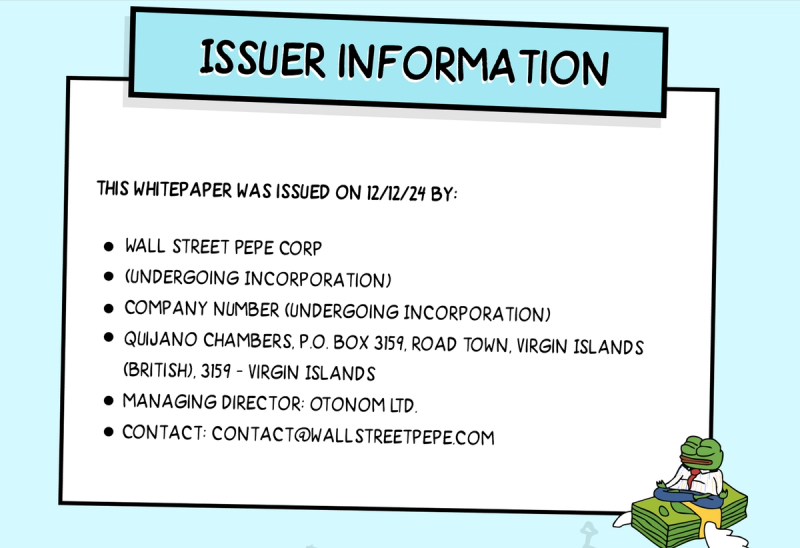
Despite MiCA, some shady projects will still try to operate in the shadows, hiding key details to avoid scrutiny. These tactics allow them to operate without oversight, requiring investors to exercise extra caution when evaluating crypto presales that fail to comply with MiCA.
Conclusion: What MiCA Means for Crypto Presales and Investors
MiCA represents a significant shift in the regulatory landscape for crypto presales and ICOs. The regulation introduces an extensive list of requirements that crypto projects must meet, covering everything from detailed whitepaper disclosures to marketing restrictions and investor protections. If properly enforced, it could create a more transparent and secure environment for early-stage token sales, helping protect investors from scams and fraudulent projects.
But enforcement remains a critical issue. We’re left to hope that authorities and regulators will actually follow the market and ensure the regulation is taken seriously. Meanwhile, crypto investors should educate themselves on MiCA, conduct thorough due diligence, and invest only in solid cryptocurrency projects that comply with regulations.
If you're an EU citizen and suspect that a project is not truly adhering to MiCA or is providing misleading information, consider reporting your concerns to your national financial regulatory authority or consumer protection agency. National regulators, alongside bodies such as the European Securities and Markets Authority (ESMA), are well-equipped to investigate potential irregularities and help maintain a fair and secure market.
Have you encountered a crypto project attempting to circumvent MiCA? Share your findings in TheHolyCoins subreddit and help the community stay informed.