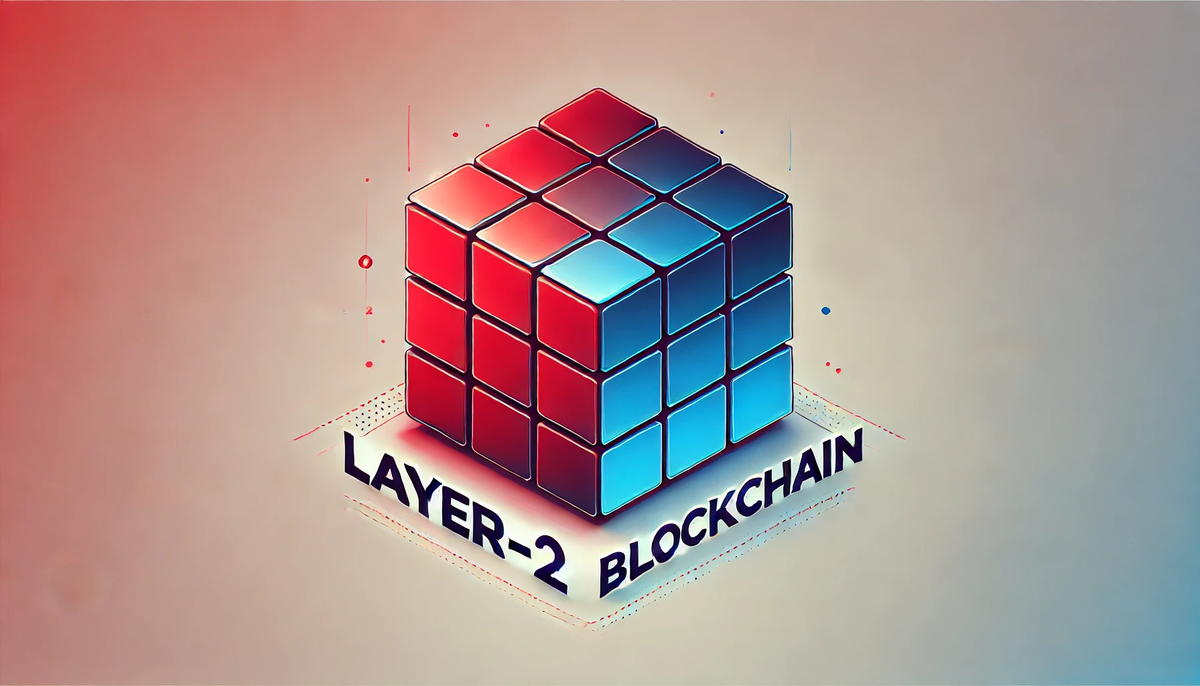
Layer-2 (L2) blockchains are scaling solutions built on top of base blockchains, known as Layer-1 networks, such as Bitcoin and Ethereum. These secondary protocols help increase the capacity of the underlying blockchain without changing its core architecture.
Layer-2 solutions improve scalability by processing cryptocurrency and digital asset transactions on a secondary network while relying on the base blockchain’s security and decentralization for final settlement. By handling part of the transaction workload off the main chain, Layer-2 blockchains can support higher transaction throughput and significantly lower fees while maintaining the integrity of the underlying blockchain.
Why Are Layer-2 Solutions Needed?
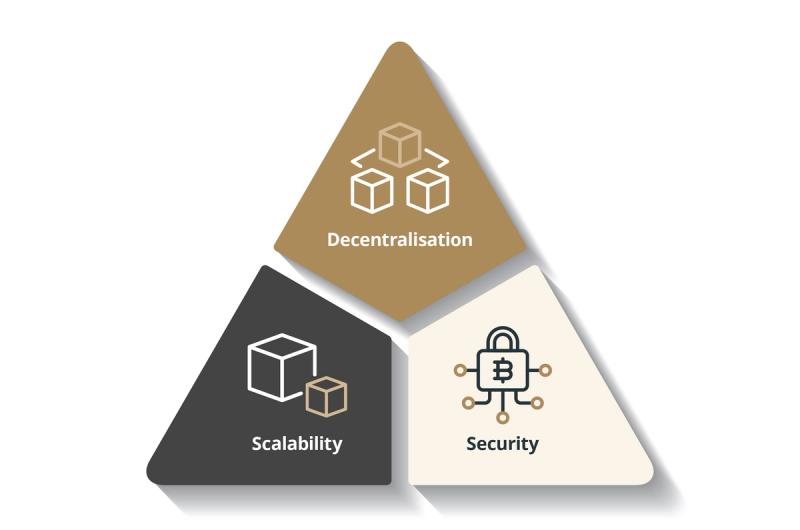
Layer-1 blockchains, including Bitcoin and Ethereum, face scalability limitations, partly due to the blockchain trilemma, a concept introduced by Ethereum co-founder Vitalik Buterin.
The trilemma describes the challenge of balancing decentralization, security, and scalability within a single blockchain network. As more users interact with a network, transaction demand increases, leading to congestion, higher transaction fees, and slower processing times.
For example, Ethereum’s base layer can process roughly 15–30 transactions per second, far fewer than centralized payment networks such as Visa, which can handle thousands of transactions per second.
Layer-2 scaling solutions help address these limitations by processing transactions on secondary networks while relying on the underlying Layer-1 blockchain for security and final settlement. This approach reduces congestion on the main blockchain and allows Layer-2 networks to offer faster transactions and lower fees.
Because Layer-2 networks ultimately settle transactions on the base blockchain, they inherit much of its security. This allows users to benefit from faster and cheaper transactions while maintaining trust in the integrity of the underlying Layer-1 network.
Types of Layer-2 Solutions

Sidechains
Sidechains are independent blockchains that operate in parallel to a main blockchain and connect to Layer-1 networks through a two-way bridge, allowing users to transfer digital assets between the two networks.
Each sidechain has its own consensus mechanism, validator nodes, and native tokens, enabling it to process transactions independently of the main blockchain. Because they operate separately, sidechains can offer higher throughput and lower transaction fees.
Sidechains do not directly inherit the security of the underlying Layer-1 blockchain. Instead, their security depends on their own validator network and consensus design.
Sidechains are often used for applications that require high transaction capacity, such as blockchain gaming, non-fungible tokens (NFTs), or experimental decentralized applications.
One example is Polygon PoS, a network compatible with the EVM that enables developers to run Ethereum-based smart contracts with lower fees and faster transactions.
Rollups
Rollups are Layer-2 scaling solutions that bundle multiple transactions into a single batch, which is then submitted to the Layer-1 blockchain. By compressing many transactions into a single batch, rollups reduce fees and significantly decrease congestion on the main blockchain.
Rollups come in two primary types:
- Optimistic Rollups: Optimistic rollups assume all transactions in a batch are valid unless challenged. If a fraudulent transaction is suspected, a dispute process called a fraud proof allows validators to verify the transaction and correct the state. Because of this dispute period, withdrawals to Layer-1 may take time.
- ZK Rollups: ZK rollups use cryptographic validity proofs, known as zero-knowledge proofs, to verify transaction batches. These proofs allow the Layer-1 blockchain to verify transaction correctness without processing each transaction individually. Emerging technologies such as zkEVMs, compatible with the Ethereum Virtual Machine (EVM), enable developers to run Ethereum-based smart contracts efficiently on Layer-2 networks.
Both types of rollups improve Ethereum’s scalability by reducing the computational load on the main blockchain while maintaining strong security guarantees.
Today, major Ethereum Layer-2 networks such as Arbitrum, Optimism, and zkSync rely on rollup technology to support decentralized finance (DeFi), gaming, and other blockchain applications with lower transaction fees.
State Channels
State channels allow users to conduct multiple off-chain transactions directly with each other, recording only the final result on the main blockchain. This approach reduces the number of transactions that must be processed on the base layer, improving scalability.
Within a state channel, participants can exchange transactions almost instantly and with very low fees. This makes state channels particularly useful for applications that require frequent interactions, such as micropayments or gaming.
State channels typically rely on smart contracts that lock funds on the base blockchain while the channel is open. Participants can transact freely within the channel and only submit the final state to the blockchain when the channel is closed. A well-known implementation of this approach is the Bitcoin Lightning Network, a Layer-2 payment network that uses state channels to enable fast peer-to-peer Bitcoin transactions without congesting the base blockchain.
Validiums
Validiums operate similarly to ZK rollups by using cryptographic proofs, but they differ in that transaction data is stored off-chain rather than on the main blockchain. This approach improves scalability by reducing the amount of data that must be recorded on Layer-1.
Validiums are particularly suitable for applications where full on-chain data availability is less critical, such as NFT platforms or blockchain gaming. Like other Layer-2 scaling solutions that rely on validity proofs, Validiums use cryptographic verification to ensure transaction integrity without placing a heavy burden on the main blockchain.
Plasma
Plasma chains, also known as child chains, are derived from a main blockchain and handle large volumes of transactions independently before periodically syncing with the main chain. This structure allows developers to build applications that can process many transactions without overloading the base blockchain. Plasma was one of the early Layer-2 scaling proposals for Ethereum, although many modern scaling solutions today rely on rollups instead.
Benefits of L2 Solutions
Layer-2 solutions bring several important benefits to the blockchain ecosystem:
- Increased Scalability: By processing transactions on secondary or off-chain networks, Layer-2 solutions significantly increase the transaction capacity of Layer-1 blockchains.
- Lower Transaction Fees: Bundling transactions or processing them on parallel networks reduces transaction costs, which is particularly important during periods of high network demand.
- Faster Transactions: Transactions on Layer-2 networks are typically confirmed much faster than on Layer-1 blockchains, improving usability for applications that require frequent interactions.
- Better Support for Decentralized Applications: Layer-2 solutions, such as zkEVM-based networks and EVM-compatible sidechains, can efficiently process smart contracts, enabling DeFi, NFT platforms, and blockchain gaming applications to operate at lower costs and higher throughput.
Challenges and Risks of L2 Blockchains
While Layer-2 solutions provide major scalability improvements, they also introduce certain risks and limitations:
- Security Differences: Some Layer-2 solutions, such as sidechains, operate with their own validator networks and consensus mechanisms rather than inheriting security directly from the Layer-1 blockchain.
- Bridge Vulnerabilities: Assets often need to be transferred between Layer-1 and Layer-2 networks through bridges. These bridges have historically been targets for hacks and exploits.
- Data Availability Concerns: Solutions such as Validiums store transaction data off-chain. If this external data becomes unavailable, users may face difficulties verifying the blockchain state.
- Centralization Risks: Some Layer-2 networks rely on a small number of operators or sequencers to process transactions, raising centralization concerns.
- Withdrawal Delays: Certain Layer-2 systems, particularly Optimistic rollups, require a dispute period before funds can be withdrawn to Layer-1, which can delay transfers.
Popular Layer-2 Chains and Coins
Layer-2 technology is gaining momentum, and several networks and tokens have become important parts of the blockchain ecosystem:
- Polygon (MATIC): Polygon PoS is a well-known Ethereum sidechain that improves scalability by supporting EVM-compatible smart contracts with lower fees and faster transactions.
- Arbitrum: A Layer-2 network that uses optimistic rollups to increase Ethereum’s transaction capacity and reduce congestion on the Ethereum blockchain.
- Optimism: Another optimistic rollup-based Layer-2 network designed to make Ethereum transactions faster and more affordable for decentralized applications.
- Bitcoin Lightning Network: A Layer-2 payment network for Bitcoin that enables instant, low-cost peer-to-peer transactions through payment channels.
- Immutable X: A Layer-2 platform built on Ethereum that uses Zero-Knowledge (ZK) rollups to support NFT marketplaces and blockchain gaming with very low transaction fees.
Conclusion
Layer-2 blockchains play an important role in improving the scalability of major networks such as Bitcoin and Ethereum. By enabling faster cryptocurrency transactions, lower fees, and higher transaction throughput, these scaling solutions help blockchains support growing demand from DeFi, gaming, and other Web3 applications.
Understanding how Layer-2 technologies work and the trade-offs they introduce can help users, developers, and investors navigate the evolving blockchain ecosystem more effectively.