Little Pepe is a meme-focused crypto presale currently raising funds through a multi-stage token sale of its LILPEPE token. The project claims it will build an Ethereum Layer-2 blockchain dedicated to meme tokens, with plans for an EVM-compatible chain, a token launchpad called Pepe’s Pump Pad, and governance mechanisms.
Like many recent meme crypto presales, Little Pepe uses heavy marketing, exaggerated narratives, and comparisons to popular crypto trends to attract retail investors, tactics often associated with scam projects in the crypto space.
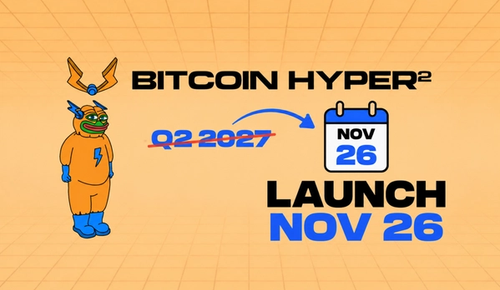
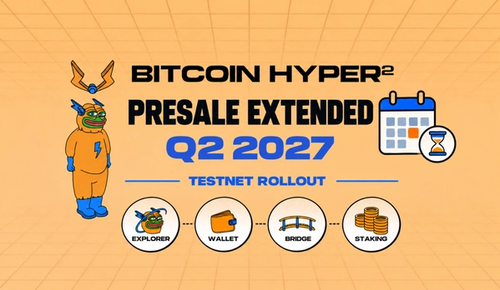
The meme coin frenzy surrounding Layer-2 blockchains began with Pepe Unchained, an Ethereum Layer-2 blockchain that raised $73 million in its presale. It continued with Solaxy, which raised $55 million for a Solana Layer-2 solution. Bitcoin Pepe followed, raising over $15 million for a Bitcoin Layer-2, and most recently, Bitcoin Hyper, which is still running its presale and has raised $2 million so far to build another Bitcoin Layer-2.
Little Pepe is another example of a crypto presale following the trend of meme-themed Layer-2 blockchain fundraising, similar to these previous projects.
This review analyzes the Little Pepe presale, whitepaper, team transparency, tokenomics, marketing strategies, and current development status.
The goal is to examine whether the LILPEPE token presale presents a legitimate opportunity or carries the high risks commonly associated with similar projects.
Little Pepe Whitepaper Analysis and Lack of Technical Substance
The Little Pepe whitepaper follows a familiar structure seen in meme coin Layer-2 projects, with playful language and meme-themed imagery taking center stage.
It outlines the project’s ambition to build a Layer-2 blockchain aimed at meme token developers and enthusiasts, promising low fees, fast transactions, and protection against bot activity. However, the document lacks detailed technical information explaining how these goals will be achieved.
There is no clear description of the underlying technology. The whitepaper does not specify whether Little Pepe will use rollups, sidechains, or another mechanism to achieve scalability and security on Ethereum. Instead, it presents generalized claims about being “EVM-compatible” and focused on “speed” and “fair launches”, without offering specifics on consensus mechanisms or architecture.

Additionally, the whitepaper omits essential details typically expected in serious projects. There is no breakdown of how funds raised in the Little Pepe presale will be allocated, no transparency on the team’s compensation, and no explanation of operational expenses.
It also fails to provide any regulatory disclosures aligned with MiCAR or similar frameworks. It leaves unanswered questions about the project’s legal structure and whether there is any accountability mechanism for investors.
Furthermore, the roadmap is vague, lacks clear timelines, and does not present time-bound milestones, making it difficult to assess the project's development progress or future delivery expectations.
Team Transparency, Audit Scope, and Potential Risks with LILPEPE Coin
The Little Pepe crypto project operates with a fully anonymous team. The name “James Stephen” appears in press releases as the COO, but there is no way to verify whether this is a real person or a pseudonym. No CEO, CTO, or technical lead has been publicly identified or doxxed. There is no KYC process conducted on the team. The project has only completed a basic smart contract audit and nothing more.
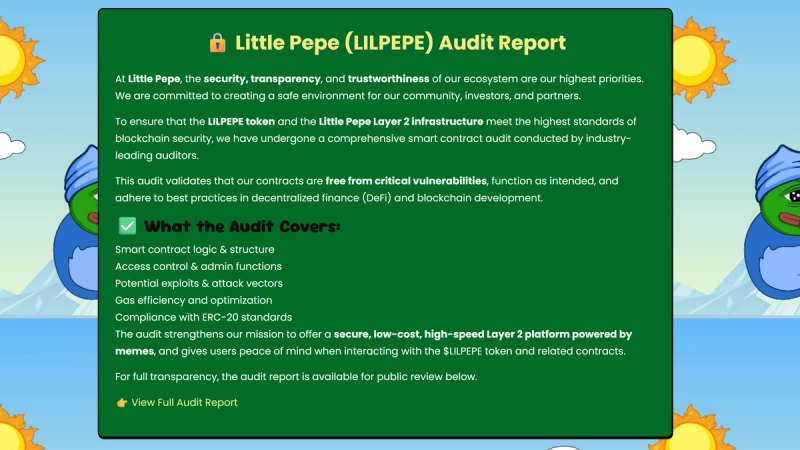
Little Pepe has undergone a basic audit through FreshCoins, which awarded a security score in the low 80th percentile and confirmed no critical vulnerabilities in the LILPEPE token smart contract. This audit covered only the standard ERC-20 presale contract and did not extend to the proposed Layer-2 blockchain, launchpad infrastructure, or governance mechanisms the project claims it will build.
In addition to the FreshCoins report, Little Pepe is listed on CertiK’s platform as having an audit related to its token contract. However, similar to FreshCoins, CertiK’s listing indicates that the audit footprint is limited to token-level smart contract components.
There is no publicly available evidence of a security review covering any Layer-2 blockchain infrastructure, launchpad contracts, governance systems, presale claim contracts, or vesting mechanisms.
Despite this, the team misleadingly states on its website that the code has
"undergone a comprehensive smart contract audit"
and claim that
"This audit validates that our contracts are free from critical vulnerabilities, function as intended, and adhere to best practices in decentralized finance (DeFi) and blockchain development"
This wording is deceptive because only one contract was audited, not multiple contracts as implied. Furthermore, these statements create the false impression of thorough and wide-ranging audits, when in reality, only a simple token contract has been audited.
The risk remains that the team behind Little Pepe could disappear after raising millions, leaving presale buyers with locked LILPEPE tokens and no legal recourse.
Additionally, there is a lack of transparency around fund management, an unclear vesting schedule for team-held tokens, and no accountability mechanisms in place.
This lack of accountability means that even if the team underdelivers, fails to build the promised Layer-2 blockchain, or mismanages funds, investors may have no recourse to recover losses or hold anyone responsible. Overpromising, underperformance, or outright abandonment are all plausible outcomes given the current setup.
Little Pepe Tokenomics, Presale Structure, and Fully Diluted Valuation Concerns
Little Pepe’s tokenomics allocate a total supply of 100 billion LILPEPE tokens. The breakdown includes 26.5% allocated to the presale, 30% to future chain reserves, 10% to CEX Reserves, 10% to liquidity, 10% to marketing, and 13.5% to staking and rewards.

The Little Pepe presale follows a 19-stage structure, with token prices increasing incrementally from $0.0010 to $0.0028 across stages.
If all stages sell out, the presale would raise over $50 million, placing the project’s fully diluted valuation (FDV) at approximately $300 million at launch.
Both Pepe Unchained and Solaxy launched with similarly high market caps and subsequently collapsed by up to 90% post-launch, although they partially recovered some of those losses afterward. This serves as a cautionary example of what could happen here.
Presale buyers face a 3-month cliff post-TGE (Token Generation Event), followed by unlocks of 5% per month, stretching the vesting period to nearly two years. On the other hand, the vesting schedules for other token allocations, such as marketing and chain reserves, are not disclosed.
This raises the possibility that these tokens could be unlocked immediately after launch and potentially dumped on the market to profit the team at the expense of presale investors.
Current Development Status, Roadmap Progress, and Product Viability
Little Pepe claims it will build a Layer-2 blockchain optimized for meme coins, featuring a no-code launchpad called Pepe’s Pump Pad for token creation and launch.
Despite these claims, there is currently no public testnet, no GitHub repository, and no verifiable demonstration of the blockchain infrastructure. All deliverables, including the blockchain, launchpad, and governance tools, remain in conceptual stages, with no user-facing products.
The roadmap divides development into phases labeled “Pregnancy”, “Birth”, and “Growth”. These terms reflect the project's meme-themed branding but provide little concrete detail. The “Pregnancy” phase focuses on presale and community building. At the same time, “Birth” is scheduled for Q1 2026, according to information shared in the project’s Telegram group, to align with exchange listings and product launches. No milestones have been completed beyond presale fundraising and marketing campaigns.
Without visible progress on core technology, the project’s current status is speculative. Whether Little Pepe can transition from presale marketing to functional Layer-2 blockchain development remains uncertain, and until concrete evidence appears, the product‘s viability is unclear.
Marketing Strategies, Community Sentiment, and Organic Growth Evaluation
The Little Pepe crypto project heavily relies on sponsored press releases and paid articles on crypto media outlets to drive interest in the LILPEPE presale. Most coverage consists of promotional content emphasizing presale milestones and exaggerated price predictions. This approach mirrors strategies seen in similar meme coin campaigns, focusing on retail investor FOMO rather than technical achievements.
The social media presence encompasses over 15,000 members in the Telegram group and more than 16,700 followers on X (formerly Twitter). However, engagement appears inflated by giveaways and contests rather than by genuine enthusiasm. The $777,000 giveaway campaign incentivizes shilling and referrals, further boosting follower counts, but in our opinion, it does not demonstrate genuine community adoption.
Independent community sentiment, particularly on platforms like Reddit, has been skeptical. Discussions highlight concerns about the presale’s extended duration, hidden vesting terms, an anonymous team, and a lack of product progress. Reports of Telegram bans for critical questions raise additional doubts about transparency and openness to scrutiny.
Conclusion: Is Little Pepe a Legit Crypto Project or Another Presale Risk?
Little Pepe, with its LILPEPE coin and planned Layer-2 blockchain, claims it will create a blockchain for meme tokens. However, right now, there’s nothing tangible beyond presale marketing, empty promises, and speculative fundraising. The crypto project’s anonymous leadership, unclear technical details, and inflated FDV leave participants uncertain whether this project will deliver as promised.
The absence of a working product or MVP, the vague plans, and a presale structure loaded with cliffs and long lockups make it challenging to evaluate whether the project can deliver on its promises. The project completed a basic smart contract audit, but it did not undergo any KYC process, and the team’s identities remain hidden.
If one is to learn from past Layer-2 meme blockchain presales with similar characteristics, this presale shows all the signs of heading in the same direction. It appears overpriced and overhyped, exhibiting several characteristics commonly associated with crypto scams.