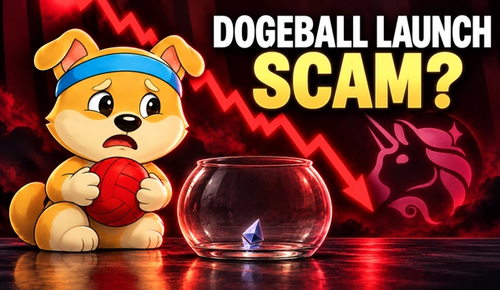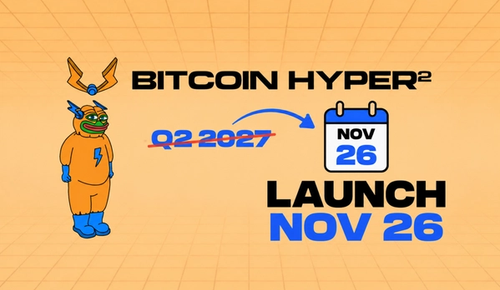
Crypto presales, IDOs, and ICOs allow new blockchain projects to raise funds before their tokens begin trading on public markets. These early fundraising stages often attract investors looking to access tokens before exchange listings and potential price increases.
However, early-stage crypto projects are also where many crypto scams and failed ventures originate. Because these projects typically launch before a finished product exists, investors must rely heavily on information provided by the team, such as the whitepaper, tokenomics, roadmap, and marketing claims.
For this reason, learning how to identify crypto presale red flags and warning signs is essential when evaluating new crypto launches. Certain patterns appear repeatedly in failed projects and fraudulent presales. The sections below outline the most common red flags that investors should carefully examine before participating in a crypto presale, IDO, or ICO.
1. Lack of Clear Details
Projects without a thorough whitepaper, unclear project goals, or not enough details about the technology and use cases can be dangerous. A complete whitepaper explains the project’s vision, technical details, and roadmap. If a project lacks this straightforward information, it’s hard to judge its trustworthiness and possible success as an early-stage project.
2. Unverified Team
Anonymous or unverified team members, or teams with no related background, should raise concerns. Looking up the team’s past on professional networks like LinkedIn can give information about their skills and previous work. A trusted team with a solid track record is key to a project’s success, especially in early-stage cryptocurrency projects.
3. Unrealistic Promises
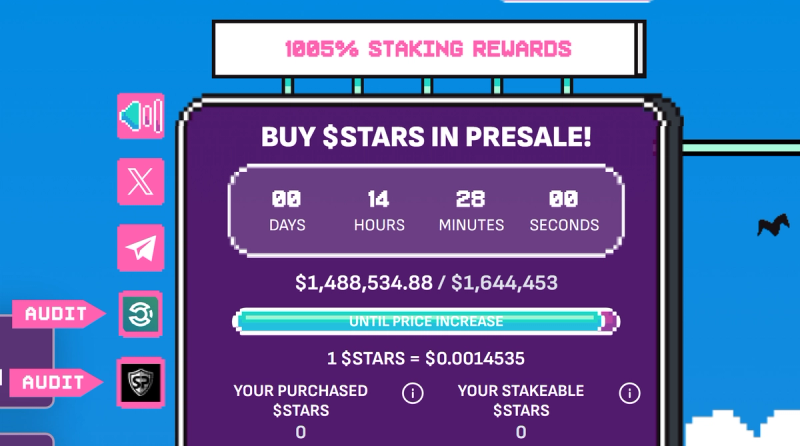
Projects promising high returns without a clear plan or reachable milestones usually fail to deliver. Be wary of projects that promise large staking profits with little to no risk. Practical and reachable goals are better signs of a well-thought-out project. Early-stage projects with unrealistic promises are often a red flag.
4. Poorly Designed or Misleading Website
Some scam projects raise a red flag by using low-quality websites with missing pages, broken links, or little technical documentation. Others may have polished designs but provide vague descriptions, copied templates, or reused content from other projects, and lack verifiable information about the team. Investors should look for clear documentation, transparent team information, working links, and consistent technical explanations rather than a website focused only on marketing claims.
5. No Roadmap
A clear roadmap with defined milestones is key to judging a project’s progress. A roadmap should explain the development stages, key goals, and future plans. Projects without a roadmap may lack direction and feasibility, making it difficult to follow their progress and investment returns.
6. Fake Partnerships

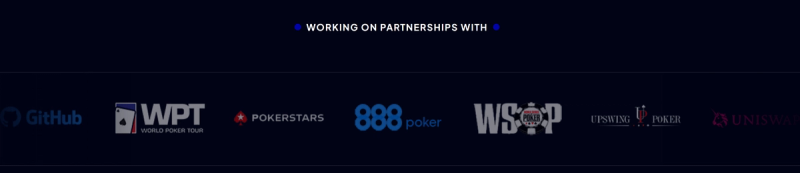
Claims of partnerships with well-known companies or projects that cannot be checked are common. Check partnerships through reliable sources such as press releases or announcements from the partner companies. Fake partnerships are usually used to create false trust and can be a sign of investment fraud.
7. No Audits
Third-party audits for smart contracts and code are essential. Audits help identify weaknesses and ensure the project’s security. The lack of audits increases the risk of possible hacks and scams. Always check if the project’s smart contracts have been audited by trusted firms to protect your investment.
8. Low Liquidity
Limited liquidity makes it difficult to buy or sell tokens without causing large price swings. Low liquidity can hinder your ability to trade and make profits. Check the trading volume and liquidity on major platforms to ensure there is enough market activity and clear vesting periods.
9. No Community Engagement
Projects with little to no presence on social media or community platforms, and a lack of communication with potential investors, may signal a red flag and a lack of transparency. Active community engagement demonstrates a project’s commitment to openness, transparency, and dialogue with its community.
10. Launching on Low-Quality or Unverified Platforms
Some projects choose to launch their tokens on low-quality exchanges or questionable launchpads that have minimal listing requirements. These platforms may allow almost any project to list a token without proper review of the team, technology, or tokenomics. In some cases, the platform itself may exist mainly to promote highly speculative or short-lived tokens. Before participating in a presale or buying a newly launched token, investors should review the exchange or launchpad’s reputation and verify whether it has a history of hosting legitimate projects.
11. Overemphasis on Hype
Projects relying heavily on marketing hype without real information or technology usually fail. Focus on projects with solid basics rather than hype. Too much marketing effort with little technical substance can be a red flag.
12. Lack of Regulatory Compliance
Projects that ignore regulatory requirements can expose investors to legal and financial risks. In many jurisdictions, crypto offerings must follow specific disclosure rules and provide clear documentation about the token and the project. For example, under the EU’s Markets in Crypto-Assets Regulation, certain crypto-asset offerings require the publication and notification of a crypto-asset whitepaper before being marketed to the public. When a project avoids regulatory transparency or provides little information about its legal structure, it may signal a higher risk to investors.
13. Tokenomics Issues
Poorly designed tokenomics with unfair distribution, excessive supply, or no clear use can lead to problems. Fair and well-thought-out tokenomics are key to a project’s success. Review the token distribution and use cases to understand its monetary plan and vesting schedules.
14. Community Alerts
Negative feedback or alerts from the crypto community, including influencers and specialists, should not be ignored. The crypto community usually finds possible scams early. Pay attention to community feelings and specialist opinions.
15. Unrealistic Fully Diluted Valuation
The fully diluted valuation (FDV) represents the value of a token if the entire token supply were circulating at the current price. Many presale projects launch with extremely high FDVs compared to the actual product status, user adoption, or market demand. When a token with an inflated valuation begins trading on exchanges, the market corrects the price to a more realistic level, causing the token to drop sharply. Investors sometimes overlook this risk during the presale stage, focusing only on the token price rather than the overall valuation implied by the total supply.
Real-World Examples
RCO Finance
The RCO Finance (RCOF) presale reportedly raised more than $36 million over a 17-month fundraising campaign promoting an AI-powered crypto and traditional asset trading platform. The project claimed major partnerships, regulatory plans, and a beta platform with hundreds of thousands of users, but none of these claims were independently verified.
When the RCOF token finally launched on BitMart, the price collapsed by about 99% within minutes, mainly due to extremely limited liquidity on the exchange. The case demonstrates how long presales with aggressive marketing and unverified claims can raise substantial funds before collapsing immediately after launch.
Bitcoin Pepe
The Bitcoin Pepe presale reportedly raised more than $20 million before the token launch in August 2025. However, the project added only about 1 ETH of liquidity (roughly $4,800 at the time) to the Uniswap trading pool, leaving the market with extremely limited liquidity. Many participants also claimed they did not receive their purchased BPEP tokens, and the project’s team stopped communicating publicly after the launch. In this case, even an audit and KYC verification from SolidProof, which had assigned the project a score of 85/100, did not guarantee that the project would operate legally after a presale.
Squid Game Token
The Squid Game token, launched in late 2021, was a blatant scam. It used the Netflix show’s fame but had no real connection to it. The project had no accountable team, no audits, and relied heavily on hype. Investors were unable to sell their tokens, leading to a classic rug pull.
How to Protect Yourself
1. Due Diligence
Always research and check project details. Check whitepapers, team past, and project goals. Use tools like LinkedIn for background checks and seek neutral reviews of the project. This is especially important when considering investments in early-stage cryptocurrency projects.
2. Join Communities
Engage in crypto communities for ideas and warnings. Community feedback can give valuable information. Join forums, follow trusted influencers, and join related social media groups.
3. Use Trusted Platforms
Stick to well-known platforms and exchanges to ensure the project’s trustworthiness and security. Trusted platforms often have tougher vetting processes, reducing the risk of scams.
Conclusion
Not every early-stage crypto project is a scam, but the lack of regulation and transparency in presales, IDOs, and ICOs makes careful evaluation essential. Many warning signs appear long before a project collapses or disappears, and recognizing these signals early can prevent costly mistakes.
Recognizing projects that lack transparency, provide unrealistic promises, hide token distribution details, or rely heavily on marketing rather than technology is important for protecting your investments. By being vigilant and doing thorough research, you can avoid scams and make informed decisions.
Taking the time to analyze these factors can significantly reduce the risk of participating in problematic crypto launches and help investors focus on projects that demonstrate stronger credibility and transparency.