Key Takeaways
- • Finixio staff control SEO, ads, and wallets for presale projects
- • Leaked screenshots of SEO tools show dozens of domains managed from one account
- • Expired domains are reused as presale and gambling funnel sites
- • 2,000+ ads run by one Finixio-linked micro ad agency
- • Ad agency founder tied to failed Battle Infinity presale and Finixio
- • Blockchain shows presale funds recycled through known Finixio wallets
- • Some presale ETH never claimed, suggesting laundering behavior
- • Presales are structured to obscure funds, not just raise capital
Editor’s Note (November 2025):
The original investigative reports by Timothy M. on recleudo.com referenced in this article are no longer publicly available. This article remains as an archival summary of those reports, which were accessible at the time of publication. TheHolyCoins makes no claim as to the current validity of the removed material.
Timothy M.’s sixth and final entry in his investigative series strips away the last layer in a months-long effort to expose who really runs the network of crypto presales, gambling sites, and SEO-driven media funnels. It’s no longer a question of speculation, overlap, or coincidence. According to Timothy’s findings, internal screenshots, ad dashboards, and direct wallet traces suggest that the same individuals who appear in ownership records are managing SEO strategies, ad spending, and blockchain flows across dozens of crypto presales, media outlets, and gambling portals.
In our first part, we covered Timothy's investigation into how Finixio and Clickout Media allegedly operated a vertically and horizontally integrated system, owning the coins, wallets, developer firms, media outlets, and payment tools used to fund and promote dozens of crypto presales. In the second part, we followed financial documents and wallet activity tied to gambling platforms, shell companies, and token distribution patterns that reinforced the structure.
Timothy's final episode, titled “They’re a parasite SEO company. They’re a gambling company. They’re a crypto company. Explosive new information suggests there’s a whole other layer to the onion”, now shows how those same people control SEO dashboards, advertising platforms, and on-chain transactions, bringing every moving part under the same operational roof.
SEO Dashboards Link Crypto Presales and Casino Sites to Finixio and Clickout Media
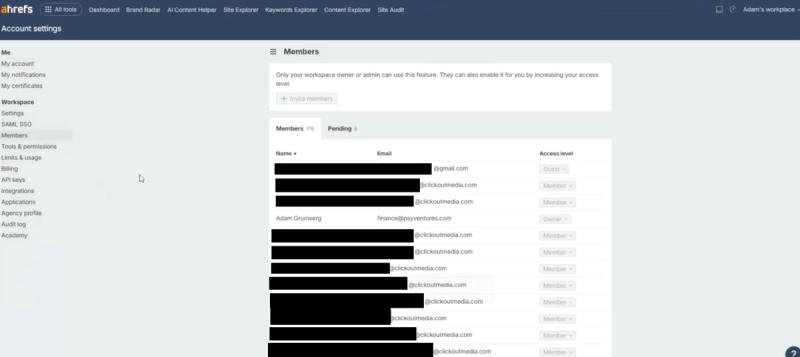
Much of the information presented in this episode has been provided by an anonymous source from within the Finixio/Clickout Media organisation. The source shared screenshots from Ahrefs reveal a long list of domains managed from a single account labeled “Adam’s workplace”, referring to Finixio co-founder Adam Grunwerg. Within the dashboard are sites such as Techopedia, 99Bitcoins, CoinCasino, CryptoNews, Business2Community, and many more, previously examined throughout the series. All tracked from the same control panel. Since only the owner of an asset can add the asset to their Ahrefs account, this means the long list of assets is managed by the organisation.


User accounts listed under this Ahrefs access include emails from @clickoutmedia.com and @finixio.com, as well as accounts tied to other known affiliates. Scott Ryder, Finixio’s Head of Business Development, and Samuel Miranda, named in UK corporate filings, appear among the users. The account doesn’t just monitor performance; it manages the entire web of media used to push crypto tokens, gambling promotions, and wallet tools.
On AccuRanker, the structure is even more granular. AccuRanker is a keyword rank tracking tool used by SEO professionals to monitor the performance of websites in search engines. In this case, it's used to group dozens of domains into working clusters, including crypto tokens, presale funnel sites, international geo-targeting (Spain, Japan, Netherlands, South Korea), and specific brands such as 99Bitcoins, Best Wallet, and CasinoBeats. Everything from performance tracking to regional targeting happens in one place, visible to users tied to the same core group.
These dashboards are operational tools that display daily activity and reinforce control at every level, from affiliate articles to domain authority to SEO manipulation, as overseen by the same corporate executives mentioned throughout the series.
Repurposed Domains, Mirror Sites, and Branded Funnels Engineered for Traffic Extraction
One group in AccuRanker called "Canonical Repurposed Domains" reveals an SEO tactic used by Finixio and Clickout Media: the use of domains that aren’t new crypto startups, gambling, or news media outlets. They’re expired domains repurposed into gambling sites. Examples like “cousinssailingadventure.com” and “enduromasters.at”, which were once hobbyist pages about sailing and motorsports, have been reactivated as casino portals. What they have in common isn’t content or audience; it’s historical backlinks. Backlinks from authority websites, localized to specific regions the group targets. The value from the past is converted into traffic for affiliate promotions today.
Another tactic revealed in the leak is the strategic use of multiple top-level domains (TLDs). Crypto projects like Wall Street Pepe, Mind of Pepe, and Best Wallet operate several variations, like .com, .io, .ltd, and .org, with each domain registered and actively tracked. These mirror sites publish similar content across different URLs, helping the projects dominate search rankings across geographies, evade takedowns, and reduce the impact of link-based penalties. The Ahrefs dashboard further reveals how the traffic funnel is structured: high-authority (high-DR) content sites such as 99Bitcoins and Techopedia capture organic search traffic, which is then funneled to lower-authority gambling or presale sites where user conversions, such as token purchases or deposits, are completed.

The dashboard also lists “crypto partnerships” with third-party publications such as Bitcoinist. These appear alongside other confirmed Clickout-owned media, blurring the lines between owned and rented traffic. Whether through direct ownership or structured collaboration, the reach of these branded funnels is wide and structured to support presale conversions.
Over 2,000 Google Ads for Crypto Presales and Media Campaigns Managed by a Micro-Firm with Finixio Ties
In addition to SEO control, ad campaign data indicate that a single advertising agency is running promotions for nearly all confirmed Finixio and Clickout Media projects. Screenshots from Google’s Ads Transparency Center show that Josh Consultancy Ltd, a UK-registered company, is behind paid media for Solaxy, Best Wallet, ReadWrite, CryptoNews, ICOBench, 99Bitcoins, and hundreds more.

Best Wallet campaigns appear across dozens of countries, including region-specific targeting for Spain, Japan, the Netherlands, Vietnam, and South Korea, mirroring the segmentation seen in AccuRanker. The scale of these campaigns, all run through a single firm with limited declared capital, indicates centralized coordination and internal resource sharing across the presale funnel.
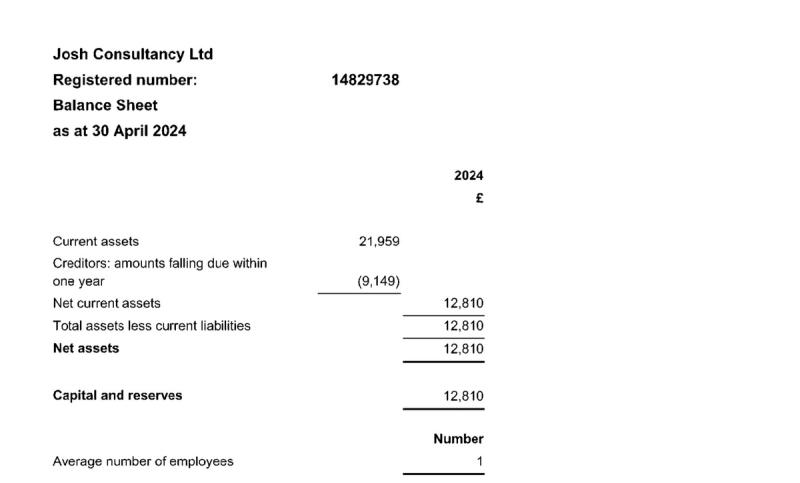
Despite this scale, Josh Consultancy’s public financial filings list just £12,810 in capital. Its Google Ads account, however, is running over 2,000 campaigns, nearly all of which promote Finixio- or Clickout-connected sites. The discrepancy between resources and output raises questions about whether the company is acting as a shell.
Josh Consultancy is owned by Suresh Chandra Joshi, who also appears as co-founder of Battle Infinity, a presale project that launched and faded without delivering a working product. Joshi is additionally listed as a partner and Head of Performance Marketing at Finixio, bringing the link full circle: from the project, to its ads, to its presale promotion, all led by overlapping personnel.
Blockchain Traces Connect Presale Revenues to Controlled Wallets
The sixth episode introduces an in-depth financial network map produced by blockchain analyst Darren Jackson, using tools such as Breadcrumbs.app. It traces funds from presale participants across multiple Ethereum wallets and back into a known Finixio-controlled address.
At the core is wallet 0xeccf6e64...7569, identified as the destination for Tamadoge presale proceeds and other Finixio-backed tokens. From there, assets flow in and out of other wallets before landing in Binance's Hot Wallet 14, a centralized exchange address that handles over 30,000 ETH (~€92.5 million). This wallet consistently receives presale revenues from Finixio/Clickout-connected projects, acting as the final drain point in the network.
One wallet was shown receiving exactly 142 ETH, then sending the same amount to another address, the Fight Out presale smart contract, which blended the funds into the broader pool. These patterns resemble recycling behavior, which experts often associate with fund obfuscation and money laundering tactics. This is a known practice in money laundering. Timothy highlights that repeated transfers of exact ETH amounts, like the 142 ETH loop, are designed to confuse blockchain analysis. Many other transactions marked as ‘0 ETH’ still involve substantial funds, further pointing to intentional obfuscation.

While some flows originate from public presale contracts such as Fight Out, others are transferred from centralized exchange deposit wallets without visible presale links. These layers of transfers, involving mix-ins from Binance, make tracing the source of funds virtually impossible without internal records. This makes Binance functionally equivalent to a mixer in this setup, concealing the origin of funds before they exit the system. The whole flow cycle begins and ends on Binance. Funds enter the system through Binance hot wallets, circulate through project-linked wallets, and are ultimately swept back into another Binance account, effectively erasing transactional history.
Crypto Presales Allegedly Used for Large-Scale Fund Commingling
Timothy’s investigation contextualizes these blockchain traces within regulatory risk patterns observed in past ICOs, particularly the lack of transparency around fund origins and investor identity. In the case of Finixio, the associated crypto presales also accept large inflows of BTC or ETH, often without disclosing KYC data or investor records, creating the perfect conditions for commingling, where funds from different sources are mixed in a way that makes their original source nearly impossible to trace.
In several instances, wallets traced in the report sent large sums into presale contracts without ever claiming tokens, including the 142 ETH sent to Fight Out. These unclaimed presale purchases suggest that presale processes are used not for investment but for masking the movement of funds, similar to how centralized exchanges or crypto mixers operate.
Regulatory bodies, including IOSCO, flagged these presale structures as early as 2017 as ideal vehicles for laundering. Timothy’s investigation shows these risks are no longer theoretical; they’re operational.
AccuRanker shows 79 active presales tracked from a single dashboard, a scale only possible when multiple presale domains are managed under the same SEO and ad infrastructure, with overlapping wallet flows reinforcing the picture of centralized control.
Crypto Presales, Wallet Flows, and Media Funnels: Final Links to Finixio’s Control
This last episode confirms the operational model. Crypto presales such as Solaxy and Wall Street Pepe are tracked, marketed, and advertised from the same platforms that manage gambling funnels and wallet downloads. The SEO dashboards, domain registries, Google Ads accounts, and blockchain flows now reveal a single, tightly controlled and centrally operated network.
Timothy’s internal source confirms that high-ranking Finixio and Clickout Media staff not only created the sites and tokens but also log in daily to manage SEO targets, assign campaigns, and adjust keyword strategies. The ads directing traffic to these sites are placed through a firm run by a Finixio executive. The wallets collecting presale funds are reused across projects and routed through known Binance mixing paths.
From site to ad to token to wallet, every part of the funnel is visible and connected. This is not just a case of poor transparency. The entire funnel appears to be engineered to facilitate fund obfuscation, from SEO to exchange withdrawal. Timothy’s evidence strongly suggests that laundering through presales is not a potential misuse, but an operational function of the Finixio/Clickout ecosystem.
** The second part of our coverage, focused on Episodes 3, 4, and 5, is now available: Finixio Network Exposed, Part 2.
** Note: This article is based on publicly available information from Timothy M.'s latest series of investigative reports published on recleudo.com. It aims to summarize and analyze his findings for informational purposes only and does not assert any legal claims or conclusions on behalf of TheHolyCoins.