Key Takeaways
- • Timothy M.’s investigation exposes Finixio’s crypto operations
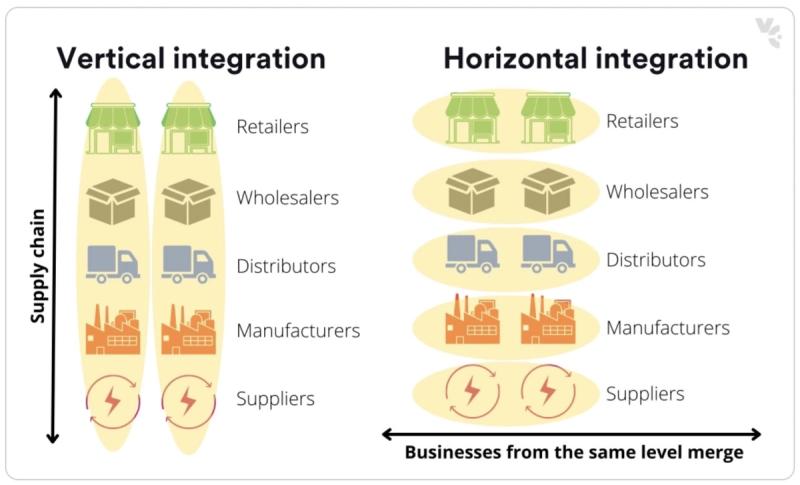
- • Finixio built a vertically and horizontally integrated scheme
- • Finixio and Clickout Media run crypto presale projects
- • They control the development, coins, launchpads, wallets, and marketing network
- • Meme coins like Dogeverse and Slothana pumped, dumped, then abandoned
- • 99Bitcoins promotes tokens without disclosing shared ownership
- • Presale funds traced to Binance through shared wallets
Editor’s Note (November 2025):
The original investigative reports by Timothy M. on recleudo.com referenced in this article are no longer publicly available. This article remains as an archival summary of those reports, which were accessible at the time of publication. TheHolyCoins makes no claim as to the current validity of the removed material.
Speculations about a connection between Finixio and Clickout Media regarding the ownership of crypto projects and presales have circulated for years. TheHolyCoins has been at the spearhead, uncovering these links through exclusive investigative articles. Timothy M. now takes the investigation a step further.
Timothy M., an SEO expert known for his detailed investigations into unethical digital marketing practices, has launched a new six-part series aimed at exposing a much deeper and more complex network involving Finixio, Clickout Media, crypto presales, meme coins, a cryptocurrency wallet, and other crypto and gambling operations.
Timothy’s earlier work already linked Finixio and Clickout Media to SEO manipulation, including parasite SEO, purchased authority domains, cloaking, and 301 redirects. But in this latest series, Timothy dives into the world of meme coins, crypto presales, and gambling platforms. He investigates corporate structures, company registration documents, and blockchain transactions, all of which point to vertical and horizontal integration of Finixio through a chain in which Finixio effectively owns dozens of crypto presales that raised hundreds of millions, hold their tokens, and manage all development through a third party company, Clickout Media for marketing, content publication on media websites they own like 99bitcoins or CryptoNews, and fundraising through crypto launchpads built by Web3Payments.
The Hidden Empire: How Finixio Secretly Controls Crypto Projects, Gambling Sites, and SEO Networks
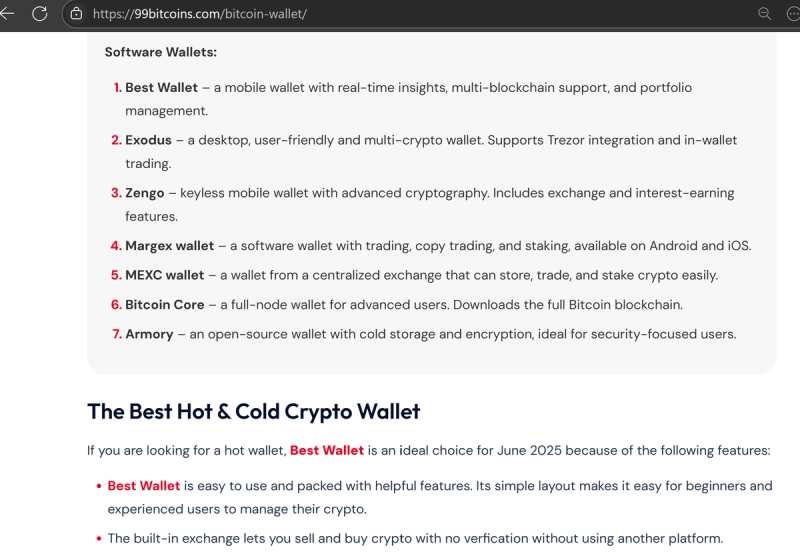
In the first episode, "Under the Surface: A First Look at the Murky World of Online Gambling, Crypto Casinos, and Memecoins", Timothy begins to untangle Finixio’s real corporate structure. He identifies Adam Grunwerg, Samuel Miranda, Scott Ryder, and Tajinder Dhanjal as the individuals behind the curtain. They don’t just run a marketing firm; through a complex web of shell companies registered in Malta, the British Virgin Islands, Bulgaria, and more, they control a network of gambling sites, meme coin projects, and crypto infrastructure. Their holdings include Best Wallet, a crypto wallet app flagged as unauthorized by the UK’s Financial Conduct Authority (FCA), and Web3Payments, a payment bridge promoted across their crypto projects. Many of their coins, such as Pepe Unchained, Wall Street Pepe, Dogeverse, and Crypto All-Stars, have been pushed heavily through media sites they own or influence.
Timothy explains how the Finixio group built a vertically and horizontally integrated empire. He demonstrates how they simulate a complete marketing funnel, generating hype, guiding users toward presales, and then capturing funds through wallets and payment tools they control. They own or control the marketing websites (such as Techopedia, ReadWrite, and CryptoNews), the coins themselves, the crypto wallet where investors are instructed to store them, and the payment tools used to purchase them. Even their content production is handled through companies like Brand Setter, where a former employee stated that each memecoin was pushed for just one to two weeks before the team moved on, referring to them as “iterations” directed by Finixio insiders. Crypto project reviews, guides, and news articles promoting coins appear on multiple seemingly independent websites, yet all are tied back to the same group. According to Timothy, the result is a system that seems decentralized on the surface but is allegedly coordinated by a small group that profits at every step.
How 99Bitcoins Became a Central Hub in the Finixio Crypto-Gambling Machine
In the second episode, “How the Crypto, Gambling, and Marketing Networks Interweave: The Case of 99Bitcoins”, Timothy zooms in on 99Bitcoins, not as an isolated case, but as a clear example of how the Finixio/Clickout operation works in general. After its quiet acquisition in March 2024, 99Bitcoins showed signs of deeper integration into the Finixio network: no buyer was named, the official address led to a Florida warehouse, and the supposed owner, "Daniel K Morgan", could not be verified.
Meanwhile, editorial control shifted to Sam Cooling, a former journalist at Clickout Media. The supposed new owner, “Daniel K Morgan”, has no online presence, and the listed Florida address leads to a food warehouse. The website’s content began echoing the same meme coins, wallets, and affiliate schemes seen across Techopedia, CryptoNews, and Business2Community, all of which were linked to Finixio or its partners. Timothy outlines how the site now promotes digital tokens like Dogeverse and Wall Street Meme, while hiding any disclosure of its affiliations. Timothy believes the entire structure raises red flags for possible manipulation, lack of transparency, and even potential regulatory violations.
Timothy shows how 99Bitcoins has become a textbook case of vertical and horizontal integration in Finixio’s model. It doesn’t just publish content; it directs traffic to crypto presales, promotes cryptocurrencies, links to Best Wallet, and even runs its own token with a suspiciously structured presale. The 99Bitcoins YouTube channel followed suit: the original host vanished, replaced by louder, meme-heavy content aligned with the same schemes. Users are guided through a closed loop, buying promoted coins, utilizing promoted tools, and trusting promoted content, all of which is controlled by the same hidden network. While 99Bitcoins is the focus here, Timothy makes clear this is only one example among many, exposing a larger pattern of opaque ownership, market manipulation, and possibly illegal financial behavior.
The Finixio Rug Pull Strategy: How Presales Are Used to Scam Investors
Timothy’s third article, “As prices plummet and projects vanish, crash, sputter and fade, the same crypto wallets seem to profit”, breaks down what he calls a “slow rug pull protocol“, a repeatable, strategic fraud using crypto presales as the central tool. In theory, crypto presales are designed to provide investors with early access to digital tokens at discounted rates before a project launches. However, in the Finixio model, crypto presales become the cash-out point. Digital tokens are sold off-chain (not on a public blockchain), funds are collected directly, and release dates are either delayed or manipulated. Buyers don’t receive the crypto tokens they paid for, or receive them only after insiders have already sold at inflated prices.
This isn’t sloppy execution. According to Timothy's investigation, it’s coordinated. A network of Finixio-controlled media outlets, including Techopedia, 99Bitcoins, CryptoNews, and Coincierge, promotes crypto projects. These websites present each coin as the next big thing. Presale buyers unknowingly walk into a structured exit scam. Timothy outlines how Finixio’s strategy includes artificial demand signals (such as “whale” purchases that appear organic), centralized price control through limited liquidity, and recurring patterns of price spikes followed by total collapse. Timothy describes it as less a product launch and more a crypto rug pull factory, and it has been used repeatedly.
Case Studies: Dogeverse, Slothana, and the MEMEX Token Collapse
Several projects exposed in Timothy's report demonstrate how Finixio executes these alleged crypto scams in plain sight. For example, Dogeverse, a presale coin hyped by 99Bitcoins in multiple videos before its June 2024 launch. It was pitched as a cross-chain meme coin with enormous upside potential. Timothy shows how presale buyers were lured in with promises of 50–100x returns, backed by sponsored press releases and article coverage on websites Finixio secretly controls. But within days of launch, Dogeverse coin had dropped into the red and stayed there. Those who bought in early were left with worthless tokens.
Dogeverse followed the same playbook as Slothana: another meme coin, another set of 99Bitcoins videos, another crash. In one video, 99Bitcoins pointed to Slothana’s early price spike as evidence that Dogeverse would perform similarly. But it didn’t. What’s worse, Finixio-linked websites, such as Coincierge, published promotional articles comparing the two and promoting upcoming scams, including Base Dawgz and Sealana, both of which followed the same price manipulation pattern.
Then came Meme Index (MEMEX), one of the most aggressively marketed projects so far. Marketed as the “world’s first decentralized meme coin index”, Meme Index had a presale starting in January 2025. But when it launched, it revealed its real purpose: extraction. As previously reported by TheHolyCoins, Timothy describes how presale buyers, who were supposed to receive discounted prices for buying early, actually paid more than the coin’s listing price. Additionally, as TheHolyCoins has already uncovered, only 3.7% of tokens were allocated to liquidity, resulting in a price drop of over 90% after launch. Even worse, the MEMEX whitepaper promised one token supply but delivered another. According to Timothy, this wasn’t just misleading; it was deliberately deceptive. Like other projects linked to Finixio, Meme Index promoted Best Wallet, an FCA-flagged wallet also allegedly tied to the Finixio operation. Timothy characterizes this as less an investment and more of a structured trap.
Blockchain Evidence: Tracing Finixio’s Rug Pull Profits
Timothy doesn’t stop at price charts or website screenshots. He tracks the on-chain evidence, including real Ethereum transactions, which show how presale money flows through Finixio’s network. Multiple projects, including Tamadoge, Love Hate INU, and FightOut, use the same wallets. Most of them are routed through the wallet address 0xeccf6...f7569, identified by blockchain expert Darren Jackson as Finixio-controlled. From there, funds are swept into Binance deposit wallets like 0x4849...d5Ca, where they disappear into mixed exchange balances, erasing the trail. This laundering pattern is repeated across all the primary tokens Finixio has launched.
The numbers aren’t small. One transfer sent $9.9 million in a single transaction. Others show millions more moved in stablecoins like USDT and USDC, directly from presale smart contracts. In some cases, wallet activity exhibits circular funding, where wallets fund themselves or each other to create a false sense of momentum, a red flag for market manipulation. In FightOut’s case, Timothy links funding addresses to a known Finixio executive. The evidence directly ties the project’s financial flows to the individuals profiting from its failure.

Timothy argues this isn’t about mismanagement; it’s a coordinated operation built around deceptive coins, manipulated media coverage, and real investor losses. His third article indicates that the operation is ongoing: more crypto projects are queued, more presales are underway, and more blockchain wallets are being prepared to collect funds.
Conclusion: A Fraud Pattern Repeating Itself
What Timothy allegedly exposes isn’t mismanagement; it’s a deliberate system. According to his findings, Finixio’s cycle begins with the creation of a meme coin, followed by the use of their allegedly fake media network to generate hype and lure investors into a crypto presale. They delay token releases, manipulate launch prices, and pump early market activity through coordinated wallet buys. Once retail investors buy in, the team dumps their tokens, crashes the price, and quietly abandons the project. Timothy’s investigation suggests that funds are funneled through a handful of wallets, then reportedly moved to Binance, potentially to obscure the money trail. The same insiders allegedly repeat the process with a new token, using the illusion of past success to bait the next round of victims.
In the upcoming parts of Timothy’s series, he plans to cover wallet activity after token launches, further examples of market manipulation, and official company ownership records that he claims connect Finixio insiders to the entities behind these presales. More names. More data. And, possibly, more victims.
** The second part of our coverage, focused on Episodes 3, 4, and 5, is now available: Finixio Network Exposed, Part 2.
** Note: This article is based on publicly available information from Timothy M.'s latest series of investigative reports published on recleudo.com. It aims to summarize and analyze his findings for informational purposes only and does not assert any legal claims or conclusions on behalf of TheHolyCoins.