Meme coins have become one of the cryptocurrency market's most recognizable and unpredictable sectors. Once viewed as internet jokes, they now generate billions of dollars in trading activity during bull markets and regularly dominate discussions across social media. At the same time, dedicated launchpad platforms have made it easier than ever to create new tokens, resulting in thousands of meme coins entering the market each month.
This guide explains how meme coins work, why they become popular, the risks involved, and what to consider before investing.
What Are Meme Coins?

Meme coins are cryptocurrencies inspired by internet memes, viral trends, popular culture, or online communities. Unlike Bitcoin and Ethereum, which were designed for decentralized payments and blockchain infrastructure and applications, meme coins are primarily driven by community engagement and social media attention. While some later introduce features such as staking, governance, blockchain games, or NFT integrations, many launch without a defined long-term use case.
The first major meme coin was Dogecoin, which launched in 2013 as a parody of Bitcoin before building one of the crypto industry's largest communities. Its success inspired thousands of other meme coins, including Shiba Inu, Pepe, BONK, and dogwifhat. Today, meme coins are launched across multiple blockchain networks, with Solana, Ethereum, Base, and BNB Chain among the most popular ecosystems.
How Meme Coins Work
Like most cryptocurrencies, meme coins are created using smart contracts on blockchain networks. While the underlying technology is similar to many other crypto tokens, meme coins typically gain value through community support, trading activity, and market sentiment rather than technological innovation.
Most meme coins follow a similar lifecycle:
- Creation: Developers launch a token on a blockchain. Many are created through dedicated launchpad platforms that simplify the process and allow anyone to issue a token with minimal technical knowledge.
- Community Building: After launch, developers and early supporters promote the project on platforms such as X, Telegram, Discord, and Reddit to attract users and grow a community.
- Trading: Once liquidity is added, the token becomes available on decentralized exchanges and, if it gains enough traction, may later be listed on centralized exchanges, increasing its exposure and accessibility.
- Price Movement: A meme coin's price is determined by supply and demand. Growing interest, exchange listings, influencer attention, or viral online trends can increase buying activity, while declining interest or large sell-offs can cause prices to fall sharply.
Although many meme coins launch without a defined use case, some later expand their ecosystems. For example, Shiba Inu introduced the ShibaSwap decentralized exchange and the Shibarium Layer-2 network, while FLOKI expanded into blockchain gaming, NFTs, and decentralized finance (DeFi).
Even so, most meme coins remain highly speculative assets whose performance depends largely on market sentiment and community interest.
The Evolution of Meme Coins
Meme coins have evolved from niche internet jokes into one of the cryptocurrency market's largest and most recognizable sectors. While the category has always been influenced by online culture, each market cycle has introduced new trends, technologies, and ways for communities to participate.
2013–2020: Dogecoin Starts the Trend
Dogecoin launched in 2013 as a lighthearted parody of Bitcoin, featuring the popular Shiba Inu "Doge" meme. Despite its humorous origins, the project built a loyal community that used the cryptocurrency for online tipping, charitable fundraising, and sponsorship campaigns. Dogecoin's success demonstrated that a community-driven cryptocurrency could achieve mainstream recognition and laid the foundation for future meme coins.
2021: Meme Coins Go Mainstream
The 2021 cryptocurrency bull market marked a turning point for meme coins. Shiba Inu attracted millions of holders and became one of the largest cryptocurrencies by market capitalization, inspiring thousands of similar projects. During this period, retail investors poured into the sector, driven by social media trends, influencer endorsements, and the possibility of generating significant returns from relatively small investments.
2023–2024: Solana Fuels a New Wave
As activity shifted toward faster and lower-cost blockchain networks, Solana became a leading ecosystem for meme coins. Projects such as BONK and dogwifhat gained widespread attention, while dedicated launchpads made it possible for anyone to create and launch a meme coin with minimal technical knowledge. The combination of low transaction fees and simplified token creation dramatically increased the number of new meme coins entering the market.
2025–2026: A More Competitive Market
By 2026, meme coins had become an established part of the cryptocurrency industry rather than a temporary trend. Thousands of new tokens continue to launch each month across blockchain networks, competing for community support and trading activity. At the same time, some projects have expanded beyond their original concepts by developing broader ecosystems, while regulators and investors have placed greater attention on transparency, security, and long-term sustainability.
Why Meme Coins Become Popular
While many cryptocurrencies that compete through technology or utility, meme coins often gain popularity through visibility and community participation.
Several factors commonly contribute to a meme coin's popularity:
- Strong community support: Active communities on platforms such as X, Telegram, Discord, and Reddit help promote projects, organize campaigns, and attract new participants.
- Viral content: Memes, videos, and trending discussions can spread quickly across social media, exposing a project to millions of potential investors.
- Exchange listings: Listing on major cryptocurrency exchanges increases accessibility, liquidity, and visibility, often attracting a larger audience.
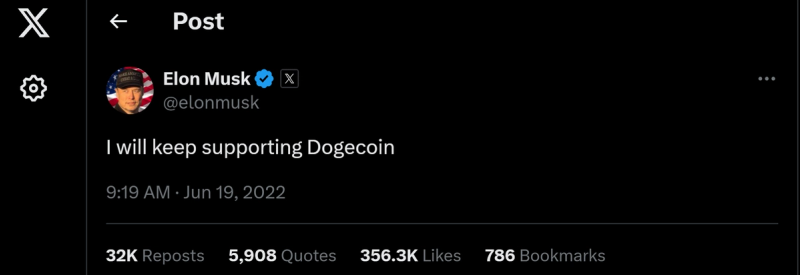
- Celebrity and influencer attention: Public figures can introduce meme coins to new audiences, although the impact is often short-lived and unpredictable.
- Market conditions: Meme coins typically receive the most attention during cryptocurrency bull markets, when investors are more willing to take on speculative investments in search of higher returns.
- Low entry price: Many meme coins trade at fractions of a cent, which can make them appear more affordable to retail investors, even though a token's price alone does not determine its overall value.
- Fear of Missing Out (FOMO): Rapid price increases often attract new buyers who fear missing the next major rally. This surge in demand can accelerate price gains, but it can also lead to sharp declines once buying momentum slows.
Which Blockchains Have the Most Meme Coins?
Meme coins can be created on almost any blockchain that supports smart contracts, but a handful of networks have become the primary hubs for new launches.
Some of the most popular blockchains for meme coins include:
- Solana: Known for its fast transaction speeds and low fees, Solana has become one of the largest ecosystems for meme coins. Its active trading community and dedicated launchpads have contributed to a rapid increase in new token launches.
- Ethereum: As the largest smart contract blockchain, Ethereum has been home to many of the most recognizable meme coins, including Shiba Inu and Pepe. Although transaction fees are generally higher than on other networks, Ethereum benefits from a mature ecosystem and broad exchange support.
- Base: Built as an Ethereum Layer-2 network, Base offers lower transaction costs while remaining compatible with Ethereum. Its growing developer ecosystem and increasing user activity have made it an attractive destination for new meme coin projects.
- BNB Chain: BNB Chain combines relatively low transaction fees with a large user base, making it a popular choice for developers looking to launch community-driven tokens and reach retail investors.
Risks of Investing in Meme Coins
While some meme coins have generated substantial returns for early investors, many lose most of their value or disappear entirely. Understanding the risks is essential before investing.
Price Volatility
Meme coin prices can rise or fall dramatically within hours. Unlike many established cryptocurrencies, their value is often driven by market sentiment, social media trends, and trading activity rather than long-term adoption or technological development. As a result, investors can experience significant gains or losses over a short period.
Rug Pulls and Scams
Fraud remains a major risk in the meme coin market. Some developers abandon projects after raising funds or rug pull once the project price increases, while others create fake tokens to impersonate legitimate projects. Scams such as phishing websites, fraudulent social media accounts, and fake airdrops are also common, making it important to verify official links and contract addresses before purchasing a token.
Low Liquidity
Many newly launched meme coins have limited liquidity, making it difficult to buy or sell large amounts without significantly affecting the price. Low liquidity can also increase price volatility and make it harder for investors to exit their positions during periods of heavy selling.
Whale Concentration
A small number of wallets often hold a large percentage of a meme coin's supply. If these large holders decide to sell their tokens, the market price can decline rapidly. Reviewing the distribution of token holders can help investors assess this risk.
Lack of Long-Term Utility
While some meme coins later introduce products such as staking, games, or DeFi features, many never develop beyond their original concept. Without continued community interest or meaningful ecosystem growth, demand may decline over time, reducing the token's long-term value.
How to Evaluate a Meme Coin
Before investing, consider the following:
- Community: Look for an active and engaged community on platforms such as X, Telegram, Discord, and Reddit. Consistent discussion and genuine engagement are generally stronger indicators than follower counts alone.
- Tokenomics: Review the circulating supply, fully diluted valuation (FDV), and token distribution. A large percentage of tokens held by a few wallets can increase the risk of significant price swings.
- Liquidity: Higher liquidity generally makes it easier to buy and sell tokens while reducing the impact of large trades on the market price.
- Trading Volume: Consistent trading volume often indicates active market participation. Extremely low volume may make it difficult to enter or exit a position.
- Project Team: While some successful meme coins were created by anonymous developers, transparent communication, regular updates, and active development can help build trust.
- Roadmap and Utility: Consider whether the project has realistic goals or plans to expand beyond its initial meme concept. Although utility is not essential for every meme coin, ongoing development may support long-term community interest.
- Security: Verify the token's official contract address, check whether the smart contract has been audited, and use trusted exchanges or wallets to reduce the risk of scams.
The Future of Meme Coins
Meme coins have become an established part of the cryptocurrency market, and new projects continue to launch at a rapid pace across multiple blockchain networks. As creating a meme coin becomes easier through dedicated launch platforms, competition is expected to remain high, making it increasingly difficult for new projects to attract long-term communities and trading activity.
While many meme coins continue to rely on speculation and viral marketing, some are expanding their ecosystems with products. Whether these features lead to long-term adoption depends on each project's ability to maintain an active community and continue developing beyond its initial launch.
Frequently Asked Questions (FAQs)
Meme coins can generate significant returns, but they are also among the most speculative cryptocurrencies. Their prices are often driven by community sentiment, social media trends, and market conditions rather than long-term utility. Before investing, research the project's tokenomics, liquidity, community, and development activity, and only invest what you can afford to lose.
Yes. Today, anyone can create a meme coin using dedicated launchpads or token creation tools with little technical knowledge. While this has made launching a token faster and more accessible, it has also increased the number of low-quality projects and scams entering the market.
An altcoin is any cryptocurrency other than Bitcoin. Meme coins are a category of altcoins that are typically inspired by internet culture, memes, or online communities. While some meme coins later add utility, many are primarily driven by community engagement and speculation.
Meme coins are highly sensitive to changes in investor sentiment. Exchange listings, viral social media posts, influencer attention, and broader cryptocurrency market trends can quickly increase or decrease demand, resulting in significant price swings over short periods.
Whether a meme coin can reach $1 depends on factors such as its circulating supply, market capitalization, and investor demand. A low token price does not necessarily mean a coin has greater growth potential, as projects with very large token supplies may require an unrealistically high market capitalization to reach $1.